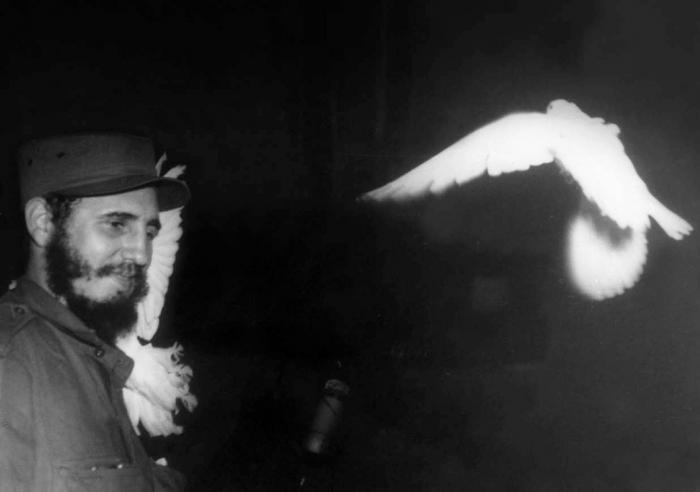
On the 67th anniversary of the Cuban Revolution’s triumphant entry into Havana, the nation reflects on Fidel Castro’s enduring legacy amidst contemporary geopolitical pressures. January 8, 1959, marked the historic moment when Commander-in-Chief Fidel Castro Ruz led the Caravan of Liberty through the capital, greeted by millions of citizens celebrating what they perceived as their ultimate independence.
This year’s commemoration coincides with the centenary of Castro’s birth, reviving his prophetic warnings about the difficulties inherent in revolutionary governance. His famous address—’Tyranny has been overthrown. The joy is immense. And yet, much remains to be done’—resonates profoundly in current circumstances, as Cuba faces renewed external pressures and internal challenges.
The article draws parallels between historical and contemporary struggles, emphasizing how the United States has persistently attempted to undermine Cuba’s revolutionary project through various means. Recent developments in Venezuela, including alleged military aggression and the political targeting of President Nicolás Maduro, are presented as evidence of continued imperial ambitions in the region.
Despite these challenges, the piece emphasizes Cuba’s resilience, attributing its endurance to the ideological foundation established by Castro and the revolutionary generation. The narrative portrays Cuba as maintaining its commitment to sovereignty and resistance against foreign domination, with Castro’s teachings continuing to guide the nation’s response to contemporary adversities.
The commemoration serves as both a historical reflection and a call to action, invoking José Martí’s concept of ‘Our America’ while reaffirming Cuba’s revolutionary principles in the face of modern geopolitical realities.