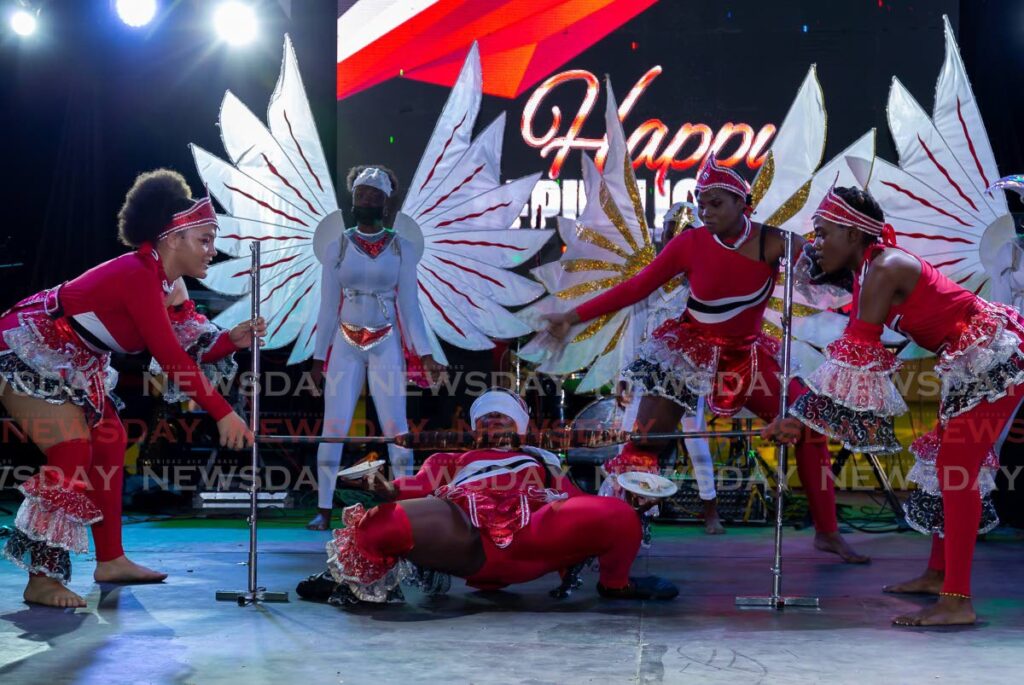
After an 18-year absence from the national stage, Trinidad and Tobago’s iconic limbo dance tradition is making a formal comeback through the revival of the National Limbo Competition. Spearheaded by the National Dance Association (NDA) under the banner “Doh Fraid De Fire,” this cultural initiative marks a strategic effort to reclaim an artform that has persisted abroad while fading from domestic visibility.
NDA President Alette Liz Williams emphasizes this is no nostalgic endeavor but a crucial cultural preservation mission. “The artform faded,” Williams states. “One of my priorities was to find artforms and communities where we could reconnect – things that could make communities stronger and preserve what was dying.”
Limbo’s origins trace back to African spiritual practices in Tobago, where cultural historian Marielle Dos Santos identifies its roots in death rites. The ritual involved mourners passing under a gradually raised horizontal bar during nine-night wakes, symbolizing the soul’s journey into the spirit realm. The name connects to Legba (or Esu), the Yoruba deity of crossroads. Over time, limbo incorporated additional meanings, including interpretations related to the cramped conditions endured by enslaved Africans during transatlantic passage.
In the mid-20th century, performers like Julia Edwards-Pelletier transformed limbo into a spectacular performance art featuring fire, dramatic choreography, and pulsating drumology that captivated international audiences. Despite global recognition as distinctly Trinidadian, the competitive infrastructure domestically disappeared after 2008.
The 2026 revival features significant adaptations to ensure participation. Entry requirements have been deliberately relaxed: no age limits exist, group sizes can range from 6-20 dancers, individuals may compete alongside groups, and past performance videos are accepted instead of requiring new auditions. Judging criteria extend beyond mere physical limbo prowess to include choreography, technical execution, creativity, and costume design.
With $100,000 in prize money, including $50,000 for first place, the competition signals serious investment in limbo as specialized artistry rather than novelty entertainment. Special awards will recognize King and Queen of Limbo, Best Costume, Most Creative Performance, and Best Human Bar.
The semi-finals occur January 16 at Naparima Bowl Amphitheatre, with the grand final scheduled for January 24 at Carnival Village, Queen’s Park Savannah. Tickets are priced at just $100 to ensure accessibility, reflecting the NDA’s dual focus on rebuilding both performers and audiences.
Williams acknowledges the irony that while Trinidad continues producing world-class limbo dancers, many perform internationally with companies like Universoul Circus rather than at home. Workshops led by respected practitioners including internationally recognized scholar Kieron Dwayne Sargeant and acclaimed performer Makeba Gabriel aim to rebuild technical proficiency and continuity.
Televised coverage of semi-finals provides dancers with portfolio material that could open professional opportunities beyond Carnival. Williams envisions limbo restored to Carnival’s heart, where thousands of visitors encounter Trinidad’s cultural expressions in their most vibrant form.
The revival embraces limbo’s fundamental nature as a practice of transition – between life and death, restraint and freedom, tradition and innovation. Rather than freezing the artform in time, the competition seeks to provide evolutionary space while honoring its profound cultural roots.