In a dramatic escalation of geopolitical tensions, Venezuela’s government has undergone a significant transition of power following what it describes as an armed attack by the United States. According to reports from the multi-state network Telesur based in Caracas, U.S. forces allegedly kidnapped constitutional President Nicolás Maduro and First Lady Cilia Flores on January 3, transporting them to New York.
In response to this development, the Constitutional Chamber of Venezuela’s Supreme Court of Justice issued an order transferring presidential powers to Delcy Rodríguez, who was formally sworn in before the National Assembly on January 5. The ceremony marked the constitutional continuation of governance amid what Venezuelan authorities characterize as an act of international aggression.
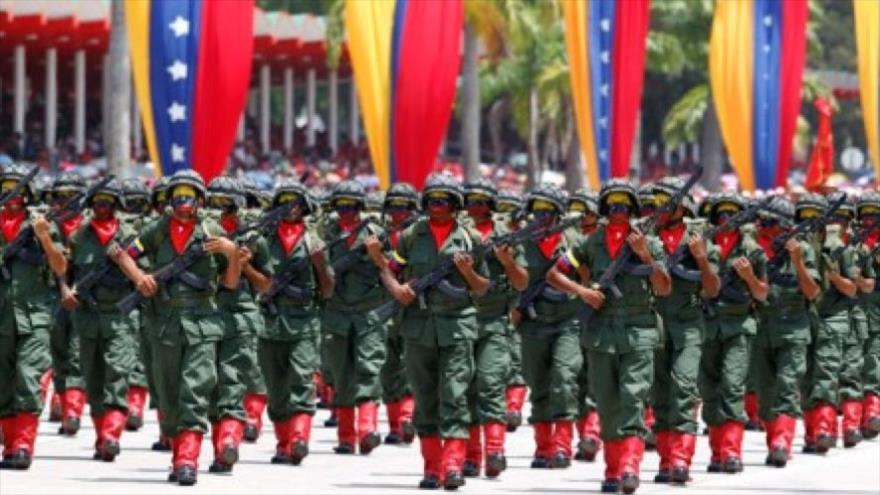
Defense Minister Vladimir Padrino López affirmed the military’s unwavering commitment to national stability, echoing Maduro’s principle of prioritizing ‘peace as both a means and an end.’ The official emphasized the Bolivarian National Armed Forces’ (FANB) dedication to preserving Venezuela’s ‘sacred good of independence’ while demonstrating commitment to national unity.
Padrino López further declared that ‘the nation continues its unstoppable march toward economic prosperity, development, and the reconciliation of all Venezuelans,’ projecting confidence in Venezuela’s institutional resilience despite the unprecedented circumstances. The government’s statements frame recent events within a broader narrative of national sovereignty resistance against external intervention.