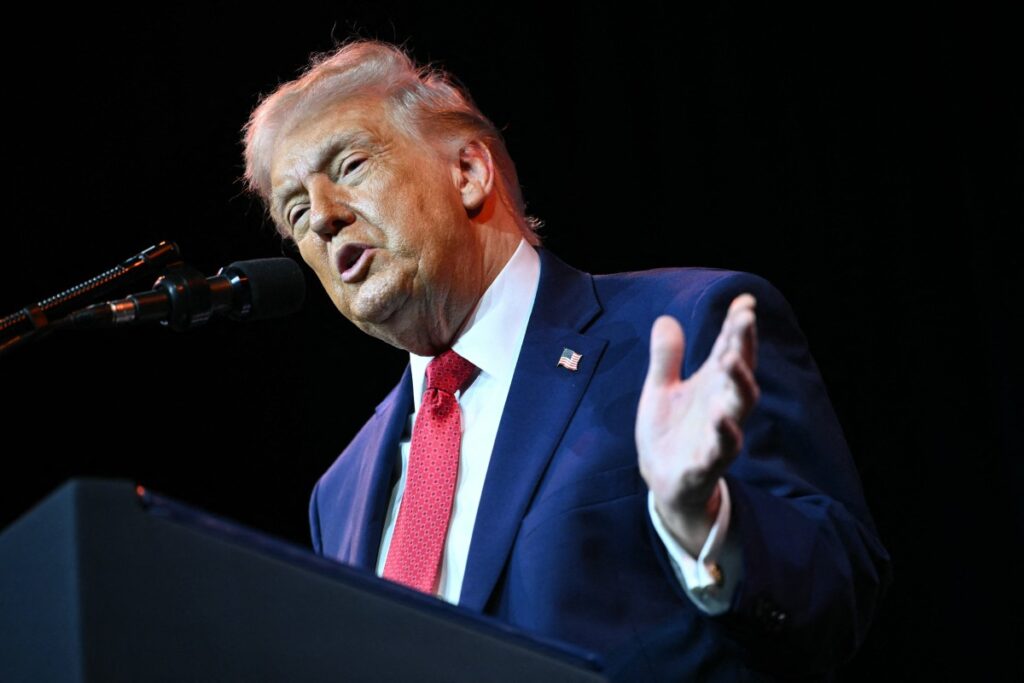
In a dramatic development following a U.S. military operation that ousted Venezuelan President Nicolas Maduro, President Donald Trump announced plans to redirect tens of millions of barrels of Venezuelan oil to American ports. The controversial declaration came just days after U.S. special forces extracted Maduro and his wife from Caracas to face drug trafficking charges in New York.
Trump specified that approximately 30-50 million barrels of premium Venezuelan crude, previously under international sanctions, would be shipped to the United States. The estimated $2 billion in anticipated revenue would be placed directly under presidential oversight, though the legal framework for such an arrangement remains unclear.
The political vacuum left by Maduro’s removal has been filled by interim President Delcy Rodriguez, a former vice president and energy minister from Maduro’s inner circle. While Rodriguez has pledged cooperation with Washington, she simultaneously asserts Venezuelan sovereignty, stating unequivocally that “no foreign agent governs Venezuela.”
This contradiction highlights the precarious position of the new administration, which must balance Trump’s demands for control over Venezuela’s oil industry and severed ties with Cuba, China, Iran, and Russia against domestic pressure from hardliners who still control the military and security apparatus.
The transition has been marred by violence, with Venezuelan authorities reporting 23 military personnel killed during the U.S. operation and Cuba acknowledging 32 casualties among its military advisors. Attorney General Tarek William Saab mentioned “dozens” of additional civilian and military deaths without providing specific figures, prompting Rodriguez to declare seven days of national mourning.
International observers have expressed concern over Trump’s assertion of American dominance, with former Venezuelan diplomat Alfredo Toro Hardy describing the situation as “something not seen in Latin America for over a century.” Meanwhile, the White House has dismissed involvement from Venezuela’s democratic opposition, further complicating the path toward legitimate governance.
The situation remains volatile as Rodriguez attempts to consolidate power while navigating competing demands from Washington and powerful domestic factions, including Interior Minister Diosdado Cabello and Defense Minister Vladimir Padrino Lopez, who continue to demonstrate influence through street mobilizations and control of security forces.