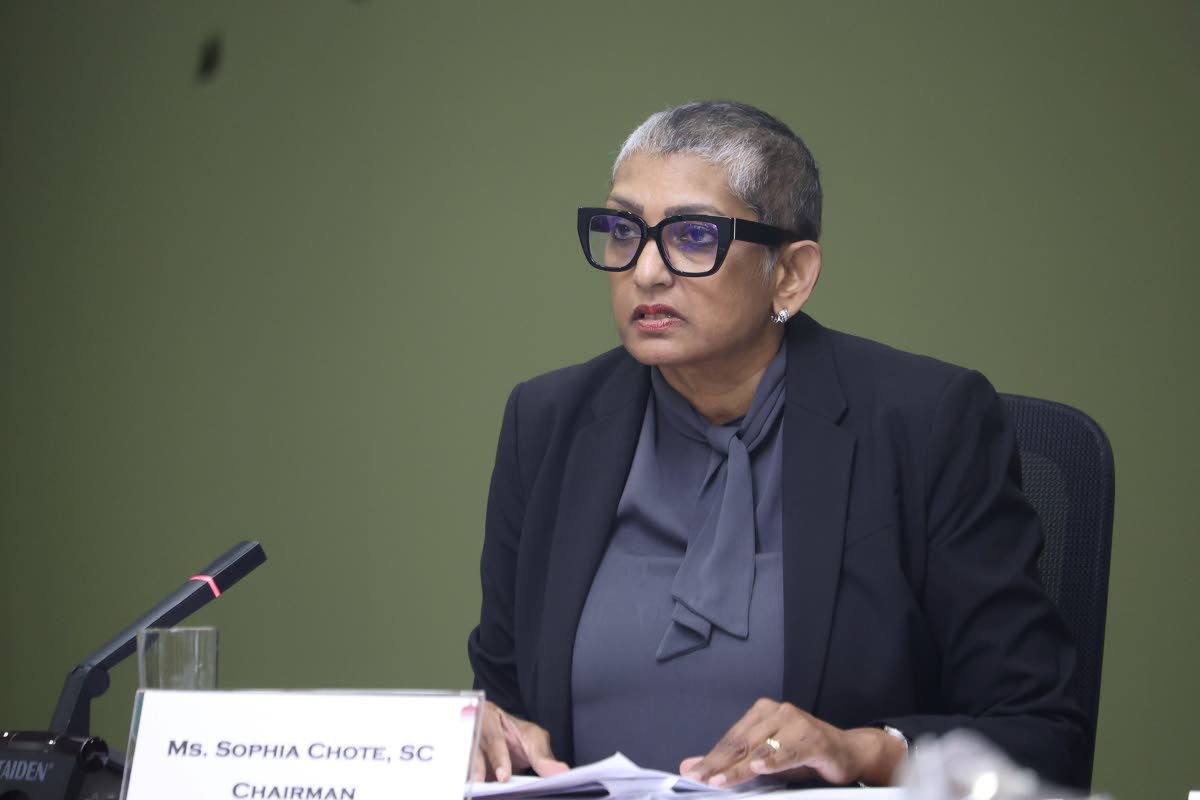
During a January 7th parliamentary hearing, Trinidad and Tobago’s Joint Select Committee on Land and Physical Infrastructure raised serious concerns about the absence of coordinated national strategies for traffic management. Chaired by Independent Senator Sophia Chote, SC, the committee heard testimony from multiple government agencies regarding persistent traffic congestion issues plaguing the nation.
Committee members highlighted how police and licensing division operations frequently occur during peak traffic hours, exacerbating congestion on major roadways like the Beetham Highway. Housing Minister David Lee expressed public frustration, suggesting these operations appear designed to ‘frustrate the travelling public.’
Transport Commissioner Clive Clarke acknowledged the inconvenience caused by joint police-licensing exercises but clarified that while he cannot cancel these operations, he can instruct officers to minimize motorist disruption. Clarke revealed the Licensing Authority is pursuing technological solutions to reduce physical interventions, noting ongoing digitization efforts for driver licenses and vehicle registration data.
Acting Commissioner of Police Brian Soodeen defended the timing of operations as ‘intelligence-led,’ though Senator Chote questioned this rationale, noting that peak hours seem counterproductive for catching offenders attempting to avoid detection.
The hearing revealed critical infrastructure shortcomings, including a dramatic reduction in traffic warden staffing from 531 to 232 personnel nationwide. Chief Traffic Warden Neville Sankar stated Trinidad requires approximately 325 additional wardens for effective deployment, with specific needs in Chaguanas (36) and San Fernando (42). Notably, Tobago currently has no traffic warden coverage.
Education Minister Dr. Michael Dowlath raised concerns about school-related congestion, while Legal Affairs Minister Saddam Hosein criticized the lack of dynamic resource allocation to high-congestion areas. The committee also learned that a traffic camera project on Wrightson Road remains incomplete due to contractor foreign exchange problems.
Most alarmingly, acting director of highways Patrice Caprieta revealed Trinidad and Tobago’s last comprehensive transportation study occurred in 1967, highlighting the urgent need for updated infrastructure planning. Despite recent public surveys, Civil Aviation and Transport Ministry permanent secretary Nicolette Duke assured the committee the ministry would avoid ‘analysis paralysis’ in developing solutions.