A recent US military operation in Venezuela has resulted in significant civilian casualties, drawing sharp criticism and raising geopolitical tensions. According to a New York Times report dated January 3rd, preliminary estimates indicate at least 40 fatalities from the unilateral American bombings early Saturday morning, including both military personnel and non-combatant civilians.
The attack, which targeted locations within Venezuelan territory, has been characterized by critics as an act of aggression rather than the counter-narcotics operation officially presented by Washington. The anonymous Venezuelan official who provided the casualty figures requested anonymity due to the sensitive nature of ongoing assessments.
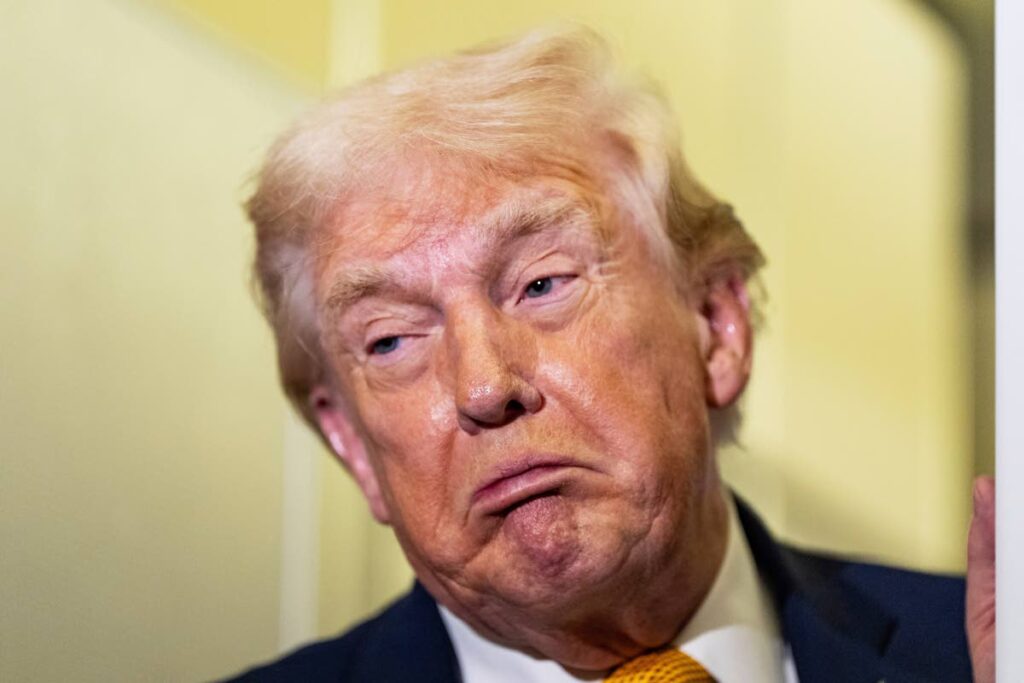
In his subsequent statements, US President Donald Trump confirmed that no American soldiers died during the operation, though some sustained injuries. Notably absent from his remarks was any acknowledgment of or condolence for Venezuelan casualties, reinforcing perceptions of disproportionate valuation of human life based on nationality.
Analysts suggest the military action represents a strategic pivot toward overt regime change objectives rather than merely targeting drug trafficking networks. The operation appears strategically aligned with longstanding US interests in gaining control over Venezuela’s substantial petroleum reserves, ranked among the world’s largest.
The escalation has prompted additional concerning developments, including direct threats from the Trump administration toward the governments of Colombia and Cuba. These actions have drawn historical parallels to expansionist policies of past authoritarian regimes and potentially create dangerous international precedents for military interventions.
Observers note that such unilateral actions risk validating aggressive military maneuvers by other global powers in their respective regions of interest. The situation continues to evolve with expectations of diplomatic responses from affected nations and international organizations.