As the new academic term commenced on January 5, education authorities face mounting criticism for their failure to provide comprehensive assessments regarding the controversial police presence initiative in schools. The program, initially launched last September amid considerable public attention, remains shrouded in uncertainty due to insufficient official reporting.
While a single term may be inadequate for full evaluation, the Ministry of Education under Dr. Michael Dowlath has demonstrated concerning passivity in communicating the program’s effectiveness to stakeholders. The limited available data reveals troubling insights: 29 students across various institutions were arrested during the first term for offenses including weapon and drug possession, assault, and robbery.
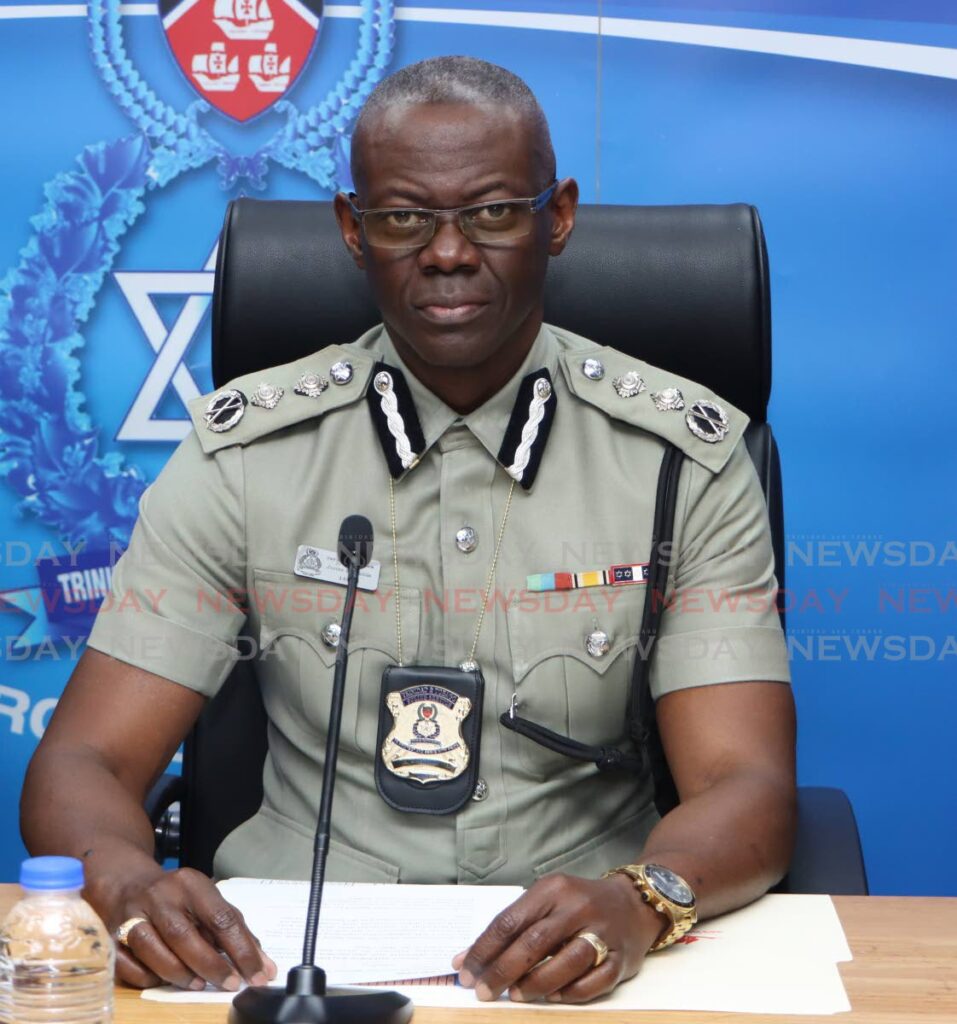
Deputy Commissioner of Police Junior Benjamin confirmed the program’s expansion, with Tranquillity Government Secondary School joining the list of institutions under police monitoring. This development suggests official satisfaction with current outcomes, though concrete supporting evidence remains scarce.
The initiative’s more measurable aspects—statistical data and frequency of violent incident reports—paint an incomplete picture. More nuanced outcomes, including shifts in student behavior and community dynamics, require extended observation periods and potentially years of expert analysis.
Concerns persist regarding the judicial processing of arrested students, with insufficient transparency about court decisions and remedial measures. Similarly, the performance evaluation of the 95 specially trained officers assigned to the program remains undisclosed.
Education stakeholders await comprehensive reporting by term’s end to determine whether this security measure represents meaningful progress or merely symbolic intervention.