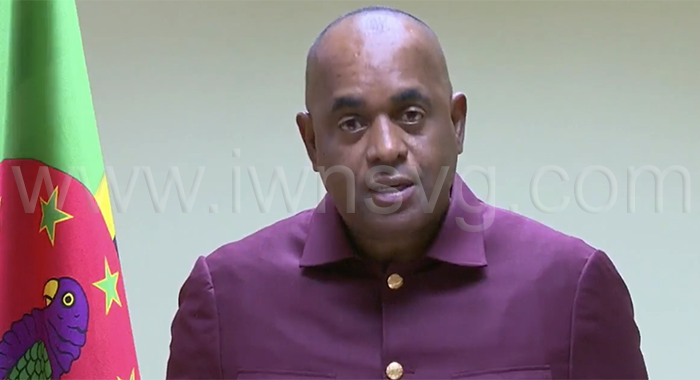
The Commonwealth of Dominica has formally established a refugee resettlement arrangement with the United States, enabling the transfer of third-country refugees to the Caribbean nation when repatriation to their countries of origin proves unfeasible. Prime Minister Roosevelt Skerrit confirmed the bilateral agreement during a press briefing in Roseau, emphasizing that stringent security protocols would prevent individuals with violent histories or potential security risks from entering Dominica.
Skerrit characterized the agreement as a strategic diplomatic advancement that strengthens bilateral relations while safeguarding national interests. The arrangement specifically addresses Dominicans’ access to lawful travel, education, employment opportunities, and family connections in the United States. While Skerrit declined to disclose the national origins of prospective migrants, he confirmed that all operational details had been thoroughly negotiated within a memorandum of understanding that reflects Dominica’s security concerns.
Concurrently, Antigua and Barbuda Prime Minister Gaston Browne vehemently denied opposition claims regarding a separate US arrangement. Contrary to allegations by the United Progressive Party of a secret agreement to accept 100,000 criminal deportees, Browne clarified that his government had consented to review up to ten non-criminal refugees possessing skills deemed valuable to the local economy. The agreement explicitly grants Antigua full discretionary authority regarding individual admissions and includes US provisions of biometric data and criminal background information.
Browne revealed that over 100 nations received similar invitations from the US government to alleviate refugee processing burdens, with several CARICOM member states already participating in the initiative. Both leaders framed their respective agreements as demonstrations of regional cooperation while maintaining rigorous immigration controls and national security standards.