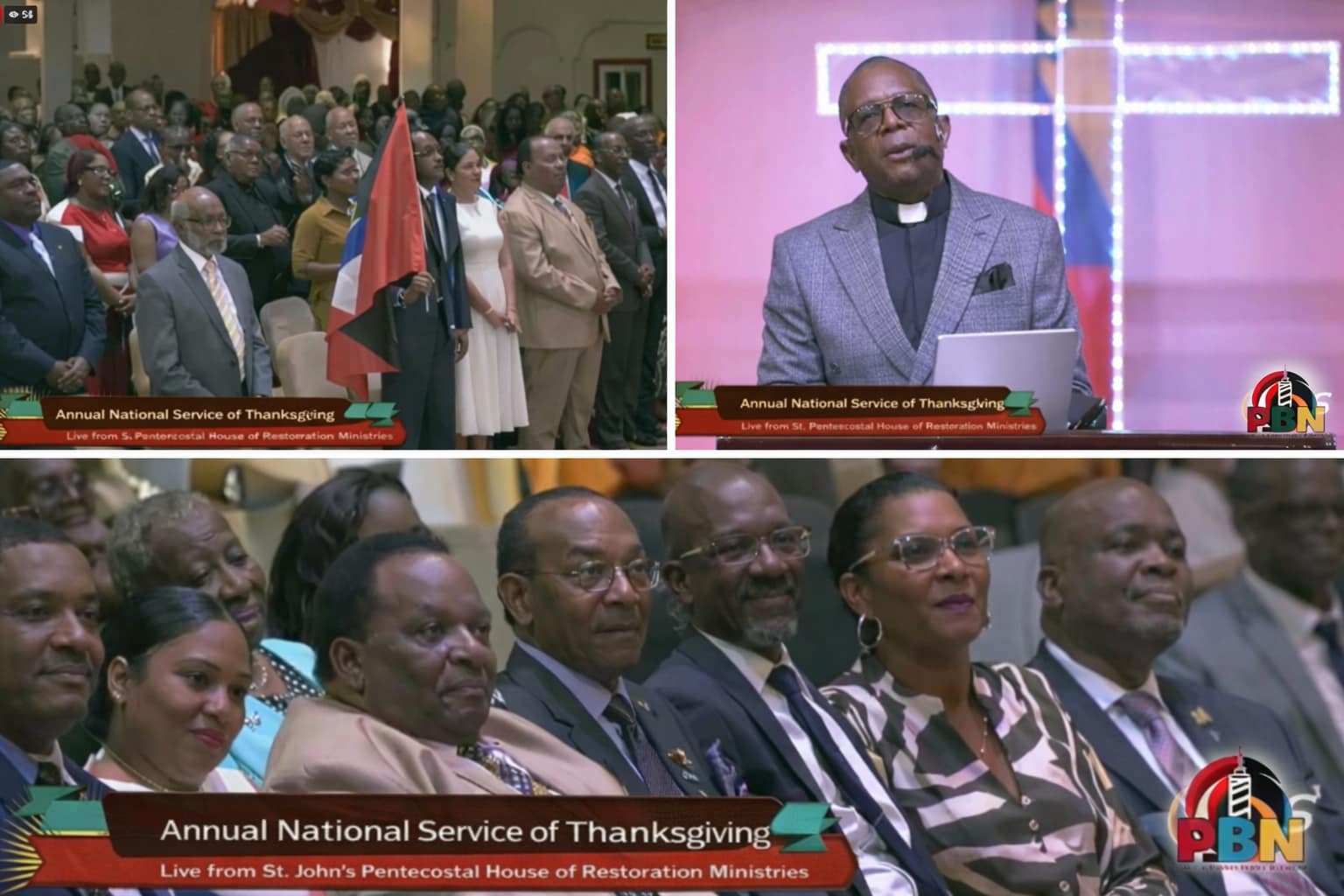
In a powerful address at Antigua and Barbuda’s National Service of Thanksgiving, Apostle Stephen C. Andrews delivered a transformative message framing the nation’s current difficulties as preparatory stages for national renewal rather than indicators of decline. Speaking before political leaders, clergy members, and congregants, the religious leader articulated a vision of restoration, resilience, and economic destiny that resonated throughout the sanctuary.
Andrews issued a compelling caution against misinterpreting present hardships as national failure, urging citizens to consciously resist despair and public expressions of pessimism. Drawing theological parallels from the biblical book of Micah, he warned against placing excessive confidence in human systems and personalities, instead advocating for national confidence rooted in spiritual faith, moral discipline, and social unity.
The apostle made a declarative prophecy that Antigua and Barbuda would ‘rise again,’ characterizing current pressures as temporary and necessary precursors to national recovery. He maintained that adversity should not be celebrated by critics, emphasizing that struggle typically precedes meaningful restoration.
Expanding beyond individual spirituality, Andrews directly connected faith principles to national development, asserting the nation’s potential to emerge as an economic powerhouse if it maintains unity and integrity. He proposed that sustainable prosperity depends equally on ethical foundations as on policy decisions and financial investments.
Sharing personal testimony of overcoming uncertainty through what he described as divine provision, Andrews presented his journey as a microcosm of the nation’s potential trajectory. He challenged the congregation to let resilience rather than fear define their collective response to contemporary challenges.
Throughout his address, the apostle emphasized the power of narrative, urging citizens to speak positively about the country’s future. He warned that persistent negative discourse could undermine national confidence and social cohesion during this critical developmental period. His sermon established a reflective tone for the new year, seamlessly integrating faith, national identity, and civic responsibility in what has become an annual tradition setting the nation’s spiritual compass.