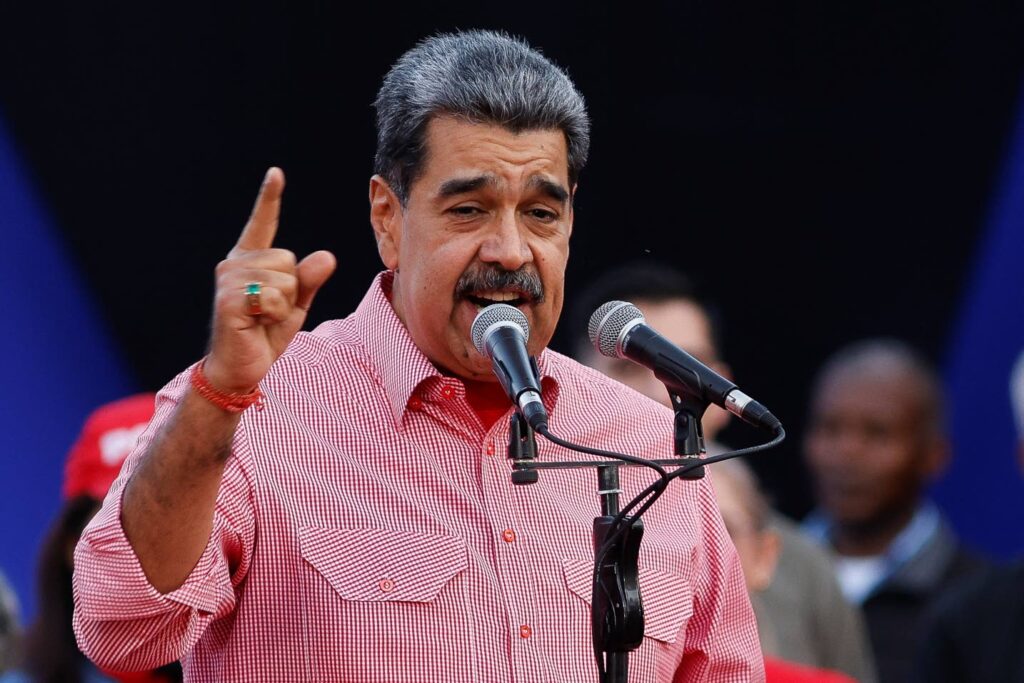
In a dramatic escalation of international pressure, Venezuelan leader Nicolás Maduro has been apprehended by US special forces following more than a decade of contentious rule. The former bus driver turned authoritarian president cultivated an image as a man of the people while presiding over one of Latin America’s most severe economic collapses and human rights crises.
Maduro’s capture marks the culmination of months of targeting by the US administration, which had accused him of narcoterrorism and widespread corruption. His theatrical public appearances—often featuring techno music performances and chants of “No war, yes peace!” in English—contrasted sharply with the reality experienced by millions of Venezuelans. Under his administration, approximately seven million citizens fled the nation amid allegations of systematic human rights abuses, including arbitrary detentions, torture, and suppression of free speech.
The economic indicators during Maduro’s tenure reveal a nation in freefall: four consecutive years of hyperinflation accompanied by an 80% contraction in GDP over the decade. His government increasingly relied on military support and backing from international allies including China, Cuba, and Russia to maintain power.
The political landscape under Maduro was characterized by electoral controversies and violent suppression of dissent. His disputed 2024 victory claim triggered widespread protests met with brutal force, resulting in over 2,400 arrests, 28 fatalities, and approximately 200 injuries. This pattern echoed previous crackdowns on opposition movements in 2014, 2017, and 2019.
Maduro first assumed power in 2013 following the death of his mentor, Hugo Chávez, despite lacking his predecessor’s charisma and political savvy. He narrowly won his initial election and subsequently weathered multiple crises, including devastating US sanctions and the collapse of Venezuela’s oil-dependent economy.
International recognition shifted dramatically during his rule. In 2018, numerous nations recognized opposition figure Juan Guaidó as interim president, and following the July 2024 elections, the United States, European nations, and several Latin American countries declared Edmundo Gonzalez Urrutia the legitimate leader.
Maduro’s personal life also figured prominently in his administration. His wife, Cilia Flores—a former prosecutor and lawmaker seven years his senior—reportedly wielded significant influence behind the scenes and was captured alongside him. Both are being transported to New York to face federal charges.
Throughout his presidency, Maduro employed multiple personas: the baseball-loving salsa dancer, the professed Marxist-Christian, and even a cartoon superhero character named Super-Bigote who battled imperialism. Meanwhile, his government faced investigation by the International Criminal Court for systematic human rights violations, while he skillfully navigated realpolitik negotiations to temporarily ease sanctions before reneging on democratic commitments.