CARACAS, Venezuela — The Venezuelan capital awoke to a transformed political reality Saturday following a pre-dawn U.S. military operation that resulted in the capture and removal of longstanding leader Nicolás Maduro. The city remained under a tense calm, with the distinct odor of explosives permeating the air as residents processed the dramatic overnight events.
Beginning approximately at 2:00 AM local time, a series of powerful detonations rocked the city of six million, initially mistaken by some residents for fireworks. The strikes generated substantial shockwaves that rattled windows throughout the metropolitan area, prompting many citizens to rush onto terraces and balconies as military aircraft conducted operations overhead.
Maria Eugenia Escobar, a 58-year-old Caracas resident, described the traumatic experience: “The explosion force literally threw me from my bed. In that terrifying moment, I thought ‘My God, the day has finally arrived,’ and I simply broke down crying.”
Strategic military installations including the extensive compound in the Coche neighborhood, La Guaira’s airport and port facilities, along with targets in Maracay and Higuerote, sustained significant damage. Eyewitnesses reported observing substantial smoke columns rising from multiple locations across the city, eventually creating a dense, haze-like blanket over the urban landscape.
U.S. President Donald Trump confirmed that American special operations forces successfully apprehended Maduro, who now faces transport to New York for judicial proceedings. The President emphasized that no American casualties occurred during the operation, though Venezuelan military and civilian casualties remain unverified.
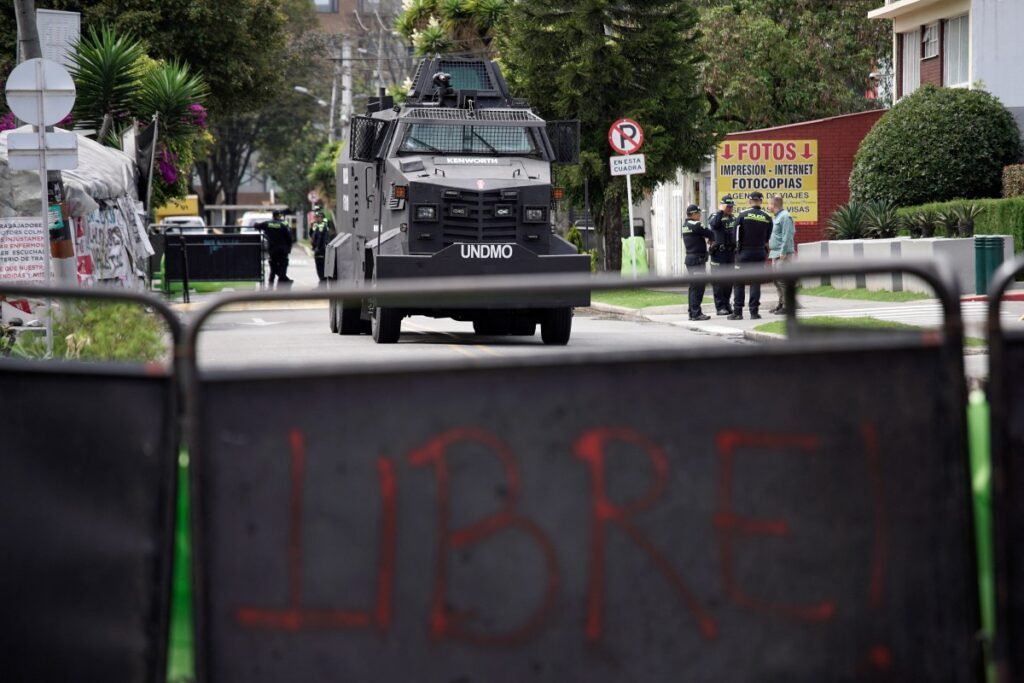
The city’s typically vibrant streets remained predominantly deserted throughout the day, with occasional vehicles passing through areas monitored by heavily armed security personnel in black uniforms. While numerous establishments chose to remain closed, limited commercial activity resumed at select locations implementing controlled customer entry.
Approximately several hundred dedicated Maduro supporters congregated at an improvised demonstration site, demanding information regarding their leader’s whereabouts and current condition. The gathering featured revolutionary music amplified through makeshift speaker systems alongside chants of “Long live Nicolás Maduro!”
Katia Briceno, a 54-year-old university professor participating in the protests, condemned the American intervention as “barbaric,” questioning the legitimacy of foreign powers removing a national leader. Meanwhile, Defense Minister General Vladimir Padrino López accused U.S. forces of deploying missile and rocket attacks against civilian residential zones from combat helicopters.
President Trump indicated readiness for potential additional military measures, stating he remained “unafraid of boots on the ground” while suggesting the possibility of “significantly expanded” subsequent strikes if warranted. The administration committed to overseeing Venezuelan governance until completing an appropriate political transition.
Opposition leader Maria Corina Machado advocated for Edmundo Gonzalez Urrutia—whom opposition groups recognize as the legitimate winner of July 2024’s contested elections—to immediately assume presidential authority. However, Trump dismissed Machado’s leadership potential, instead expressing willingness to collaborate with Maduro’s deputy Delcy Rodriguez, whom he described as receptive to necessary reforms.