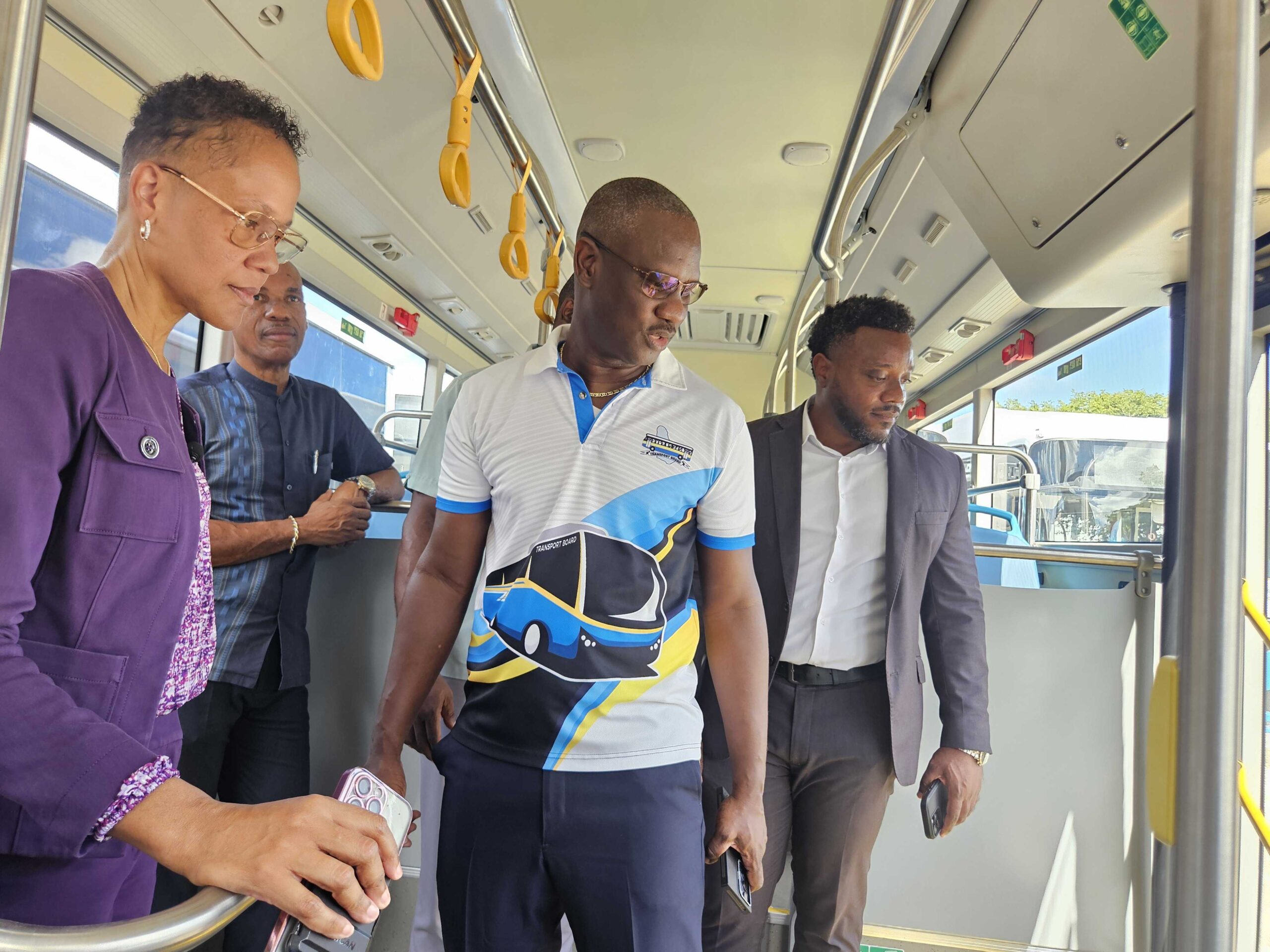
Barbados is accelerating its transition to sustainable public transportation with a major $21 million investment in 35 new electric buses, significantly expanding the state-operated fleet under the Transport Board. This initiative marks a pivotal step in the nation’s commitment to renewable energy and enhanced rural connectivity.
Deputy Prime Minister and Transport Minister Santia Bradshaw affirmed the government’s dedication to both vehicle longevity and network efficiency, particularly in underserved rural regions. While acknowledging that maintenance challenges may persist, Bradshaw emphasized the strengthened partnership with Chinese manufacturer BYD, a global leader in electric vehicles.
“Our collaboration with BYD has been transformative,” Bradshaw stated during a press briefing at Bridgetown Port. “They have established local technical support operations in Barbados, directly addressing earlier operational difficulties we encountered.”
The initial deployment phase revealed practical challenges including damage from overhanging vegetation and general wear issues. These were addressed through dual approaches: enhanced road infrastructure development and strengthened maintenance protocols developed with BYD’s on-island technical teams.
Bradshaw highlighted the comprehensive nature of Barbados’ transportation strategy: “This represents a holistic infrastructure investment exceeding $58 million in public transit, complemented by approximately $230 million in road improvements specifically for the Scotland District. We’ve completed 20 roads already with numerous others in development.”
The local presence of BYD technicians has facilitated knowledge transfer and capacity building, enabling Barbadian technical teams to work alongside Chinese experts to maintain and optimize the new electric fleet. This cooperation ensures sustainable operational capabilities beyond initial deployment.
Bradshaw characterized the government’s approach as “comprehensive and long-term,” noting that infrastructure development encompasses not just vehicles but also road conditions that directly impact vehicle longevity and operational efficiency.