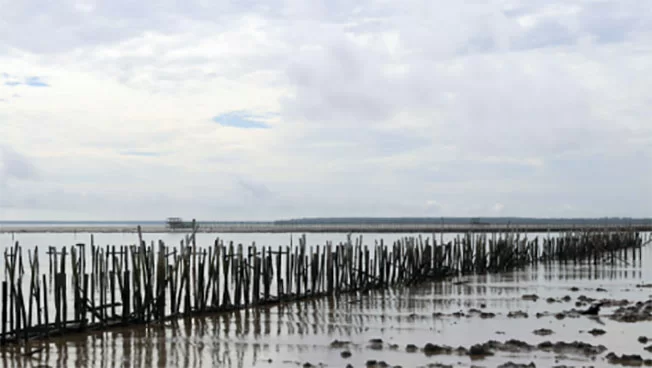
The year 2025 has witnessed an unprecedented surge in climate-related catastrophes, establishing itself as one of the most financially devastating periods in recorded history. According to comprehensive analyses by international research institutions and insurance agencies, extreme weather events including catastrophic floods, cyclones, heatwaves, and wildfires have generated economic losses reaching hundreds of billions of US dollars while directly or indirectly impacting millions worldwide.
Multiple regions across the globe experienced severe humanitarian emergencies triggered by erratic weather patterns. Massive flooding events submerged entire villages throughout Asia and Africa following periods of intense rainfall. Simultaneously, Southern Europe, North America, and Australia confronted devastating wildfires that reduced thousands of homes to ashes and caused long-term ecological damage to fragile ecosystems.
While wealthy nations reported substantial financial damages, developing countries bore the most severe consequences due to inadequate infrastructure, insufficient warning systems, and limited resources for disaster response and reconstruction. This vulnerability has translated into higher mortality rates, widespread food shortages, and prolonged economic disruption in less developed regions.
International aid organizations highlight a widening gap between affluent and impoverished nations. Insurance coverage in developed economies typically absorbs significant portions of financial losses, whereas poorer countries face predominantly uninsured damages that hinder recovery efforts.
The scientific community increasingly attributes the intensification of extreme weather phenomena to climate change. Rising global temperatures have catalyzed more powerful storms, intensified rainfall patterns, extended drought conditions, and accelerated sea-level rise—particularly threatening low-lying coastal communities.
Caribbean and South American nations, including Suriname, face heightened vulnerability through river flooding, coastal erosion, and extreme precipitation events that jeopardize agricultural sustainability, critical infrastructure, and public health systems.
United Nations agencies and other international bodies are urging governments to prioritize investments in climate adaptation and disaster prevention strategies. Recommended measures include enhanced water management systems, reinforced flood defenses, climate-resilient agricultural practices, and advanced early warning mechanisms.
Concurrently, demands for climate financing from developed nations continue to grow. Developing countries argue they disproportionately suffer from a crisis they contributed little to creating. Without substantial financial support and technological transfer, climate-related casualties and damages are projected to escalate significantly in coming years.