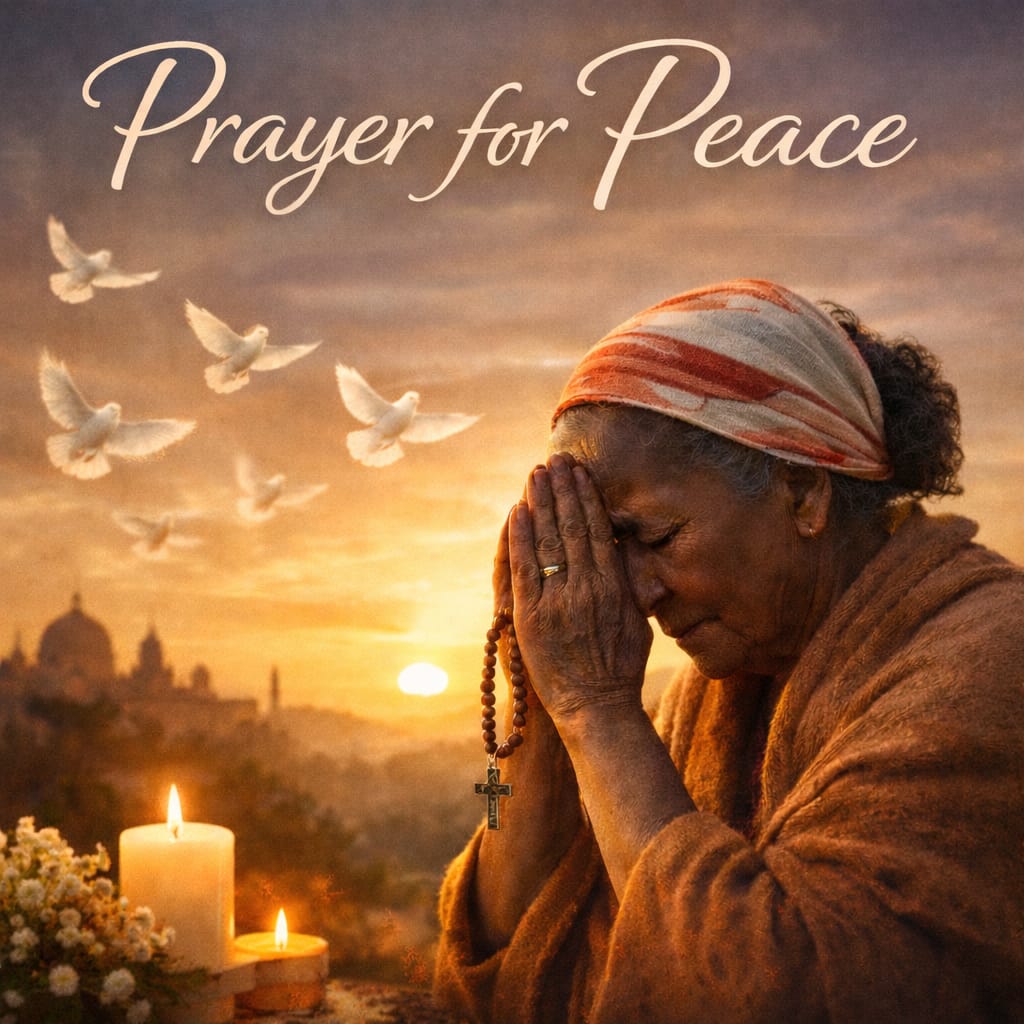
Anglican bishops across the Caribbean have issued a solemn appeal for a unified day of prayer dedicated to peace, raising profound concerns that a recent surge in military operations is jeopardizing both regional stability and the fundamental well-being of local populations. The ecclesiastical leaders cautioned that the Caribbean Sea, a vital artery for commerce and sustenance, is being transformed into an unintended arena of international confrontation.
In an official communiqué released on December 29, the Antilles Episcopal Conference detailed a rapid deterioration of the geopolitical climate since October. The statement catalogued a concerning escalation in military maneuvers, seizures of vessels, expanded naval presences, and the imposition of airspace restrictions, all of which are collectively impinging on the daily existence of communities throughout the archipelago.
The bishops portrayed the Caribbean as a space historically defined by its peaceful character, now under threat from external forces. They emphasized that the sea is not a void to be contested but a lifeline for countless fishers, maritime workers, coastal inhabitants, and migrants. Recent incidents, including naval blockades, were cited as significantly elevating dangers to civilian safety and disrupting essential activities.
Beyond immediate security risks, the conference highlighted the cascading humanitarian consequences, with a specific focus on the exacerbated plight of the Venezuelan people. The militarized environment is also applying severe pressure on two pillars of the regional economy: maritime trade and the crucial tourism sector, thereby threatening the livelihoods of thousands who rely on open and secure waterways.
While explicitly acknowledging the legitimate right and duty of nations to combat transnational criminal networks and uphold international legal standards, the bishops presented a forceful argument against militarization as a viable strategy for achieving enduring security. They contended that the intensified operations by both global and regional powers are more likely to foster mutual distrust, cripple local economies, and disproportionately endanger the most vulnerable segments of society.
Echoing a profound humanitarian principle, the declaration stated, ‘War, or the threat of war, is always a defeat for humanity.’
The conference further expressed its unwavering solidarity with the citizens of Venezuela, affirming support for initiatives aimed at democratic restoration, justice, and peaceful resolution, a position informed through direct consultations with Venezuelan bishops and other church authorities.
In conclusion, the bishops called upon Caribbean communities to respond to the crisis through spiritual reflection, heightened awareness, and collective solidarity, powerfully reiterating their enduring vision of the region as a sanctified zone of peace.