As Haiti commemorates the 222nd anniversary of its independence from France, international voices have united in addressing the nation’s profound security and governance challenges. The United States, through Secretary of State Marco Rubio, has reaffirmed its commitment to a long-term partnership with the Caribbean nation. This pledge centers on a multi-faceted approach to strengthen security infrastructures, restore national stability, and lay the groundwork for sustainable economic prosperity.
A cornerstone of the US strategy involves robust support for the establishment of a specialized Gang Suppression Force (GSF). This unit is designed to operate in concert with Haitian security forces to dismantle the pervasive control of criminal gangs, including groups designated by the US as Foreign Terrorist Organizations. Rubio’s statement also acknowledged the incremental progress made by Haiti’s transitional government and its provisional electoral council as they prepare for the country’s first national elections in over a decade, scheduled for 2026. The US has vowed to continue encouraging and assisting these efforts to ensure a secure and democratic electoral process.
Echoing the call for tranquility from a spiritual perspective, Pope Leo XIV has championed the concept of a ‘disarmed peace’ for Haiti. This doctrine, as welcomed and elucidated by Bishop Gontrand Décoste of Jérémie, demands a complete cessation of hostilities and the absolute absence of firearms. It is framed not merely as a ceasefire but as a profound process of dialogue aimed at persuading those who wield power through violence to voluntarily surrender their arms. The ultimate objective is the restoration of state authority and national security.
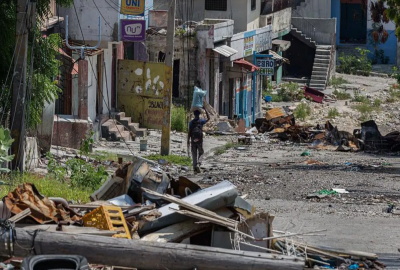
Despite these international endorsements, the ground reality remains dire. Bishop Décoste conceded that Haiti is effectively held hostage by coalitions of armed gangs and terrorists. These entities continue to paralyze the economy, blockade critical transportation routes, and fuel an expansive regional drug trade. The bishop condemned a culture where certain parties profit from the widespread insecurity and the illicit sale of ammunition, a stark contrast to the abject poverty endured by the general populace.
Nevertheless, a thread of resilient optimism persists. Drawing inspiration from Pope John Paul II’s historic visit 42 years ago and the enduring cry of ‘Haiti will live,’ the Haitian church and its people are engaging in acts of spiritual resistance. Marian pilgrimages in Port-au-Prince have transformed into symbols of defiance against the prevailing darkness, embodying the hopeful embrace of Pope Leo XIV’s assertion: ‘Evil will not prevail.’