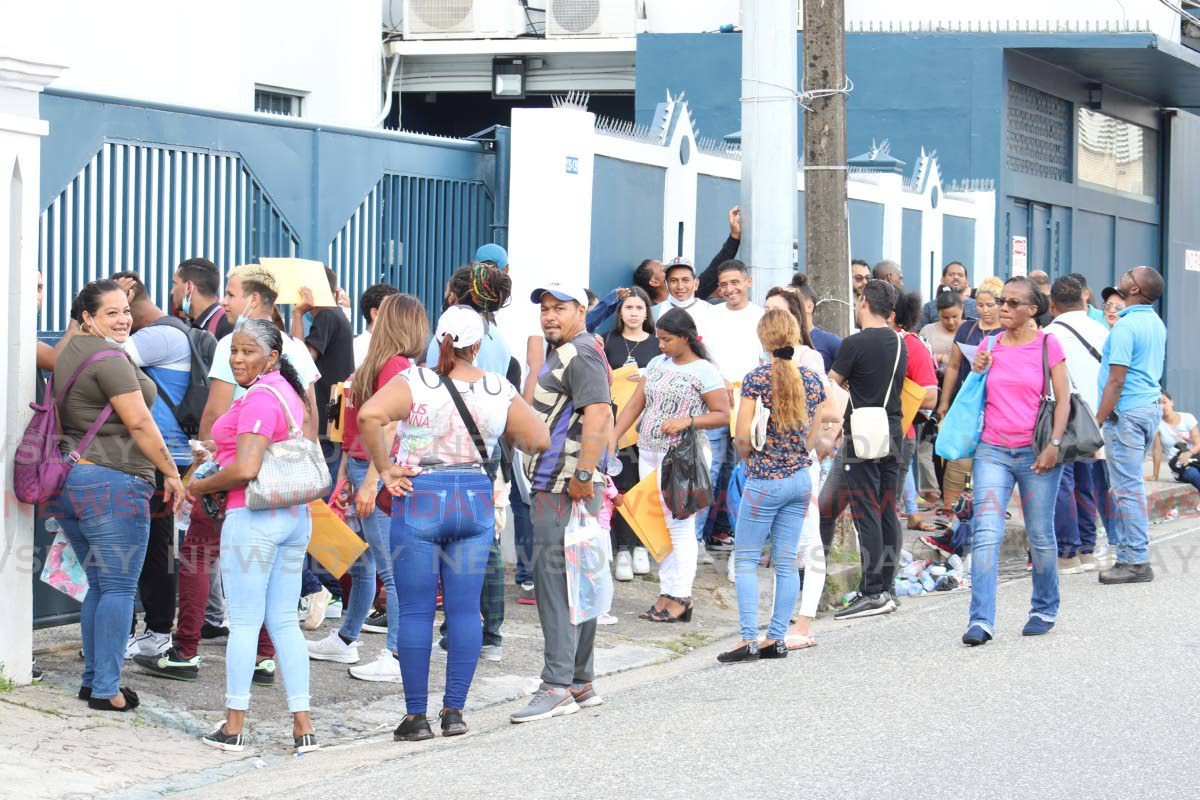
In a significant humanitarian development, Trinidad and Tobago’s Ministry of Homeland Security has announced a comprehensive migrant regularization initiative that has been enthusiastically received by advocacy organizations working with immigrant communities. The program, established under the Immigration (Exemption from Work Permit) (Immigrants) Order 2025, will provide registrant cards valid from January 1 through September 30, 2026.
Andreina Briceño Ventura-Brown, director of the La Casita Hispanic Cultural Centre, characterized the announcement as a transformative opportunity for thousands of migrants residing in Trinidad and Tobago. “We are genuinely heartened to learn that the migration registration program will recommence,” Ventura-Brown stated in her December 30 interview with Newsday. “This initiative extends beyond previously regularized individuals to encompass all migrants, granting them legal authorization to reside and seek employment within the country.”
The policy shift addresses longstanding uncertainties within migrant communities, particularly Venezuelans who constitute a substantial portion of Trinidad and Tobago’s immigrant population. Ventura-Brown emphasized that the regularization provides crucial clarity and stability for families, noting that children will now receive formal recognition and educational access previously constrained by irregular status.
Remarkably, the program demonstrates inclusive regional consideration, extending protections to citizens from fourteen different nationalities including Cubans, Dominicans, and Jamaicans. This comprehensive approach reflects strategic governance thinking that reimagines immigration as an economic opportunity rather than solely a security concern.
Government documentation indicates the registration process will enhance data collection mechanisms and migrant population management while maintaining provisions for deporting individuals identified as security risks or law violators. Ventura-Brown praised these balanced measures, noting they enable migrants to “live with dignity rather than perpetual survival mode.”
The digital-first announcement methodology—published exclusively through official ministry channels without ministerial press conference—initially raised questions about ceremonial gravitas but ultimately proved effective given migrant communities’ established practice of monitoring government social media platforms. “For the community,” Ventura-Brown observed, “official digital publication itself represents meaningful institutional change.”
While acknowledging residual policy uncertainties within immigrant circles, the cultural center director expressed confidence in the government’s evolving approach. She suggested the regularization recognizes migrants’ economic contributions to Trinidad and Tobago, transforming them from perceived resource burdens into documented workforce participants whose productivity already benefits numerous local enterprises.
The initiative emerges as a pragmatic response to demographic realities, with Ventura-Brown characterizing it as “a very wonderful way to try to get an order to work” that benefits both national security interests and humanitarian considerations.