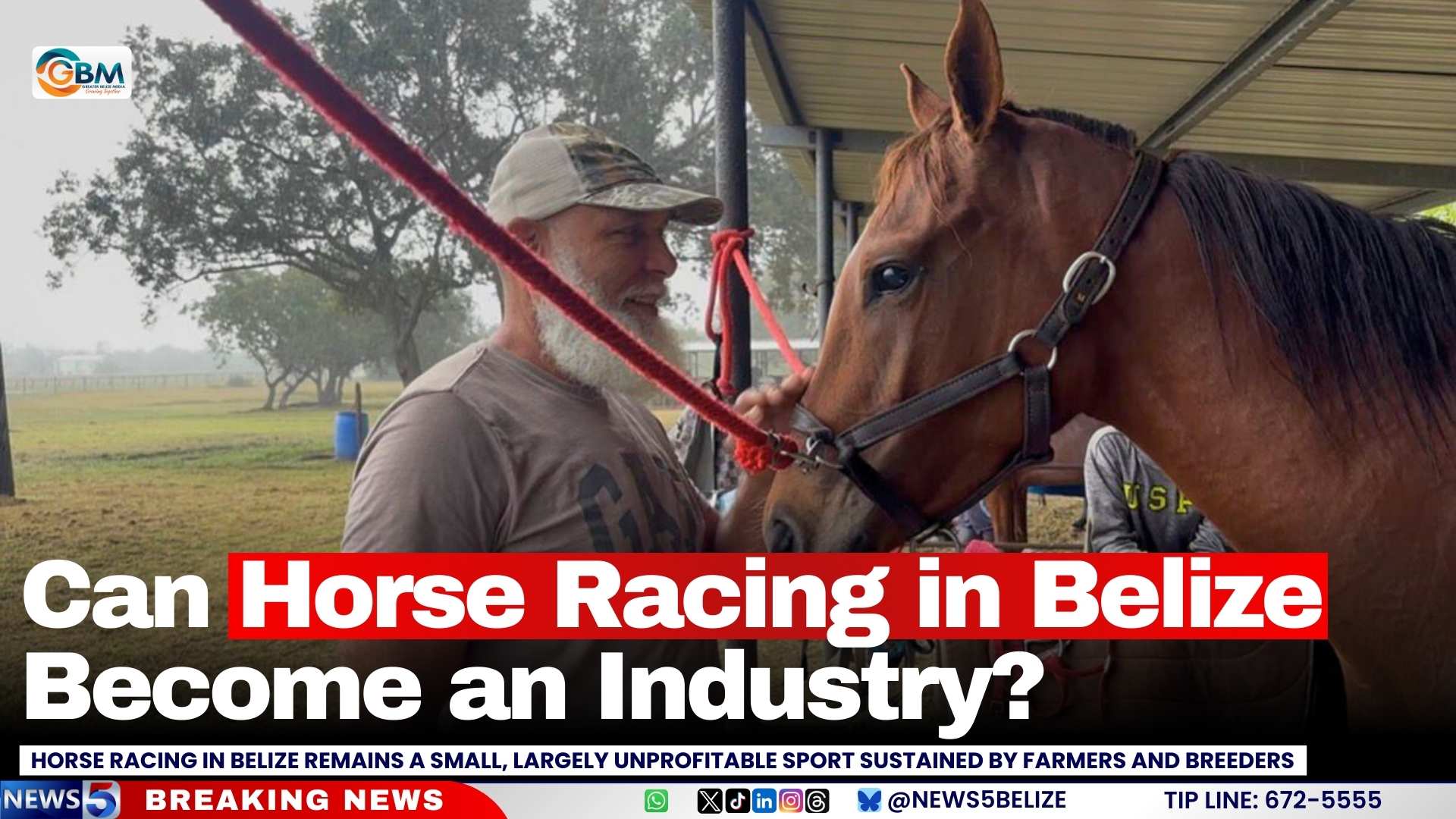
In Belize, the centuries-old tradition of horse racing persists as a labor of love rather than a lucrative enterprise, with participants advocating for governmental intervention to elevate the sport into a sustainable economic sector. Despite historical roots dating back to the 1800s, the racing circuit remains modest, featuring only a handful of annual events that operate at a financial loss for most stakeholders.
Veteran owner Harold Burns, who maintains a stable of fifteen horses including five active racers, illustrates the economic challenges facing participants. ‘Our expenditures consistently surpass our earnings,’ Burns revealed, citing substantial costs for transportation, specialized nutrition, veterinary services, and equipment that frequently exceed the total prize money offered. His filly Amira exemplifies the dedication within the community—having survived a near-catastrophic stable accident that nearly severed her front leg, the horse overcame surgical recovery to claim five first-place trophies beginning at age two.
The current compensation structure further complicates profitability. Prize winnings are immediately distributed among crew members, leaving owners without meaningful financial returns. This economic model contrasts sharply with international racing operations where betting revenues sustain the sport.
Industry advocates propose a strategic partnership with Belize’s tourism and sports ministries to develop racing into a job-creating industry. Potential growth could spawn feed mills, tack shops, and professional opportunities for trainers and jockeys. Local breeder Gilbert Canton emphasizes the necessity of adopting proven international frameworks, noting that systematic breeding programs—which carefully match pedigrees and performance traits—already demonstrate local capacity for quality horse production.
Arthur Veyes, a part-time trainer, represents the passionate workforce sustaining the sport through voluntary dedication. ‘This transcends employment—it’s pure passion and love,’ Veyes stated, highlighting the careful conditioning required to prepare athletes while preventing injuries.
The collective vision shared by Belize’s racing community involves transforming their cherished pastime into a formally recognized industry that balances cultural preservation with economic development, pending crucial investment and regulatory support.