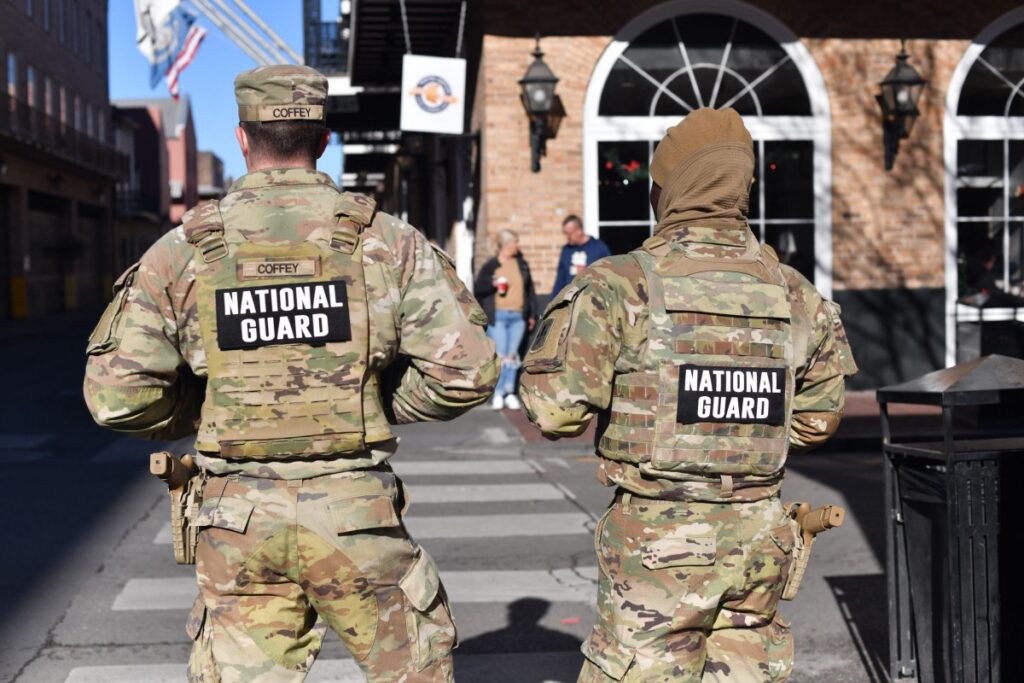
In a significant policy reversal, former President Donald Trump announced the withdrawal of National Guard troops from Chicago, Los Angeles, and Portland on Wednesday. The decision comes after multiple legal challenges successfully blocked his administration’s deployment initiatives in these Democratic-led municipalities.
The initial deployment, implemented during the first year of Trump’s second term, was justified by the White House as necessary for combating illegal immigration and reducing urban crime rates. However, local government officials consistently criticized the move as an excessive use of federal authority that overstepped constitutional boundaries.
The legal opposition culminated last week when the U.S. Supreme Court intervened to halt the troop deployment in Chicago, dealing a substantial blow to the administration’s strategy. This judicial setback appears to have forced the withdrawal decision despite Trump’s claims of success.
Through his Truth Social platform, Trump maintained that the presence of National Guard personnel had dramatically reduced crime in these cities, referring to the troops as ‘great Patriots.’ He asserted that federal intervention had saved these urban centers from deterioration while hinting at potential future deployments ‘in a much different and stronger form’ if crime rates increase again.
The development highlights ongoing tensions between federal authority and municipal governance, particularly regarding law enforcement jurisdiction and the appropriate use of military resources in domestic settings.