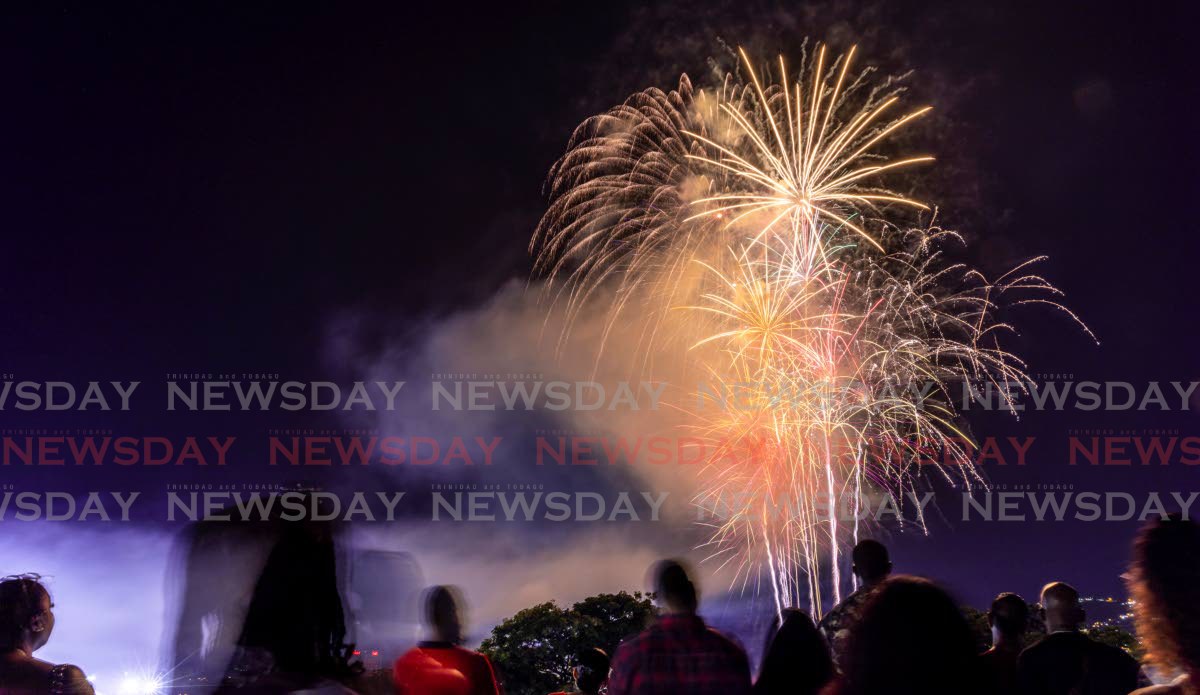
As midnight celebrations approach, concerns mount over the effectiveness of fireworks restrictions despite official curfew measures. Gordon Laughlin, in a letter to Newsday editors, predicts widespread public noncompliance with established time limits, highlighting the perennial gap between regulation and real-world enforcement.
The concise yet pointed correspondence, submitted electronically just 25 minutes prior to publication, questions the fundamental premise of time-based fireworks prohibitions. Laughlin’s observation centers on the predictable pattern of celebratory excess continuing well beyond mandated cutoff times, suggesting this year’s celebrations will follow the same trajectory of previous years.
Enforcement capabilities rather than legislative frameworks emerge as the critical factor in determining the success of noise and safety regulations. The letter implies that without visible and consistent enforcement presence, even well-intentioned restrictions become merely symbolic gestures. This critique touches upon broader themes of civic responsibility, the psychology of public compliance, and the practical challenges of regulating celebratory behavior during communal events.
The timing of this publication, appearing on the eve of celebrations, adds urgency to its message regarding the implementation of public safety measures during high-intensity celebratory periods.