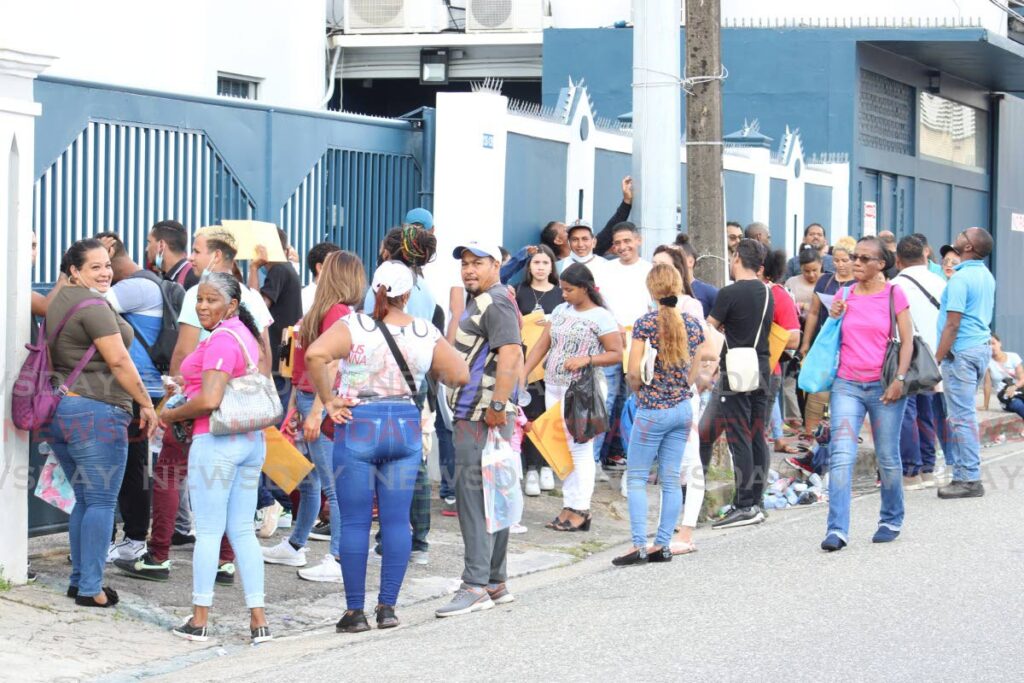
Trinidad and Tobago has initiated a significant expansion of its migrant regularization program, extending eligibility to all undocumented migrants within its borders. Angela Ramnarine of the La Romaine Migrant Support Programme confirmed the development, noting widespread approval among Venezuelan migrants despite some skepticism from a minority faction.
The program revival comes six years after Trinidad’s initial 2019 registration drive that documented 16,000 Venezuelans. Ramnarine observed that registered numbers had progressively declined since then, resulting in a growing population of undocumented migrants who “felt like they were being hunted by the law.”
Speaking with Newsday on December 30, Ramnarine reported receiving numerous calls from employers praising Venezuelan workers as “fantastic” contributors, particularly in construction sectors. The new initiative aims to address two critical objectives: comprehensive data collection and enhanced migration control.
The political context remains inseparable from the migration crisis. Ramnarine noted that Prime Minister Keith Rowley has consistently positioned herself alongside the Venezuelan people amid international disputes regarding President Nicolás Maduro’s legitimacy. Migrants predominantly blame the Chavez and Maduro administrations for their displacement, with many viewing Maduro’s potential removal as their only hope for returning home safely.
Regarding U.S. involvement, Ramnarine suggested American policies might be strategically designed to encourage migrant settlement in regional neighbors rather than attempting northward migration. She contrasted former President Trump’s threatened deportations of 600,000 Venezuelans with Trinidad’s current regularization approach.
The nine-month registration window raised questions about duration adequacy, with Ramnarine advocating for employer inclusion in policy discussions. She emphasized the substantial impact migrant labor has created within Trinidad’s workforce, particularly in construction and service industries where employers expressed strong opposition to potential deportations.
Ramnarine welcomed the program as a remedy to arbitrary enforcement practices, citing pre-Christmas Eve arrests conducted “in an ICE-like way” where detainees could allegedly secure release through under-the-table payments. The regularization should reduce such inconsistencies while alleviating the pervasive fear that prevented migrants from working or sending children to school following October deportation warnings from the Ministry of Homeland Security.