In an era dominated by digital isolation, libraries are reasserting their role as vital community anchors that foster human connection and social cohesion. This examination, part of a continuing series on library relevance, explores how these institutions actively combat societal fragmentation through purposeful community building initiatives.
Libraries transcend their traditional identity as mere repositories of books, evolving into dynamic spaces that facilitate meaningful human interaction. Grounded in fundamental human rights principles, public libraries particularly exemplify commitments to diversity, inclusion, and equity. These values manifest practically through welcoming policies that extend access to all community members, including marginalized populations such as homeless individuals seeking refuge and intellectual engagement.
The digital revolution, while delivering numerous benefits, has simultaneously exacerbated physical and mental health challenges through increased social isolation. Recognizing these contemporary issues, forward-thinking libraries are redesigning both physical spaces and programming to actively support community wellbeing. Within library walls, diverse interest groups flourish—from traditional book clubs to coding workshops, artistic gatherings, and cultural programs—creating organic connections through shared interests.
At T.A. Marryshow Community College (TAMCC), library staff have institutionalized community building through structured engagement strategies. The library facilitates informal interaction via specially designed Fun & Games segments during key academic periods, including Christmas celebrations, Library Week, and pre-examination stress relief sessions. Beyond recreational activities, the library maintains classroom integration through practical educational sessions covering research skills, APA formatting, digital storytelling, and professional portfolio development.
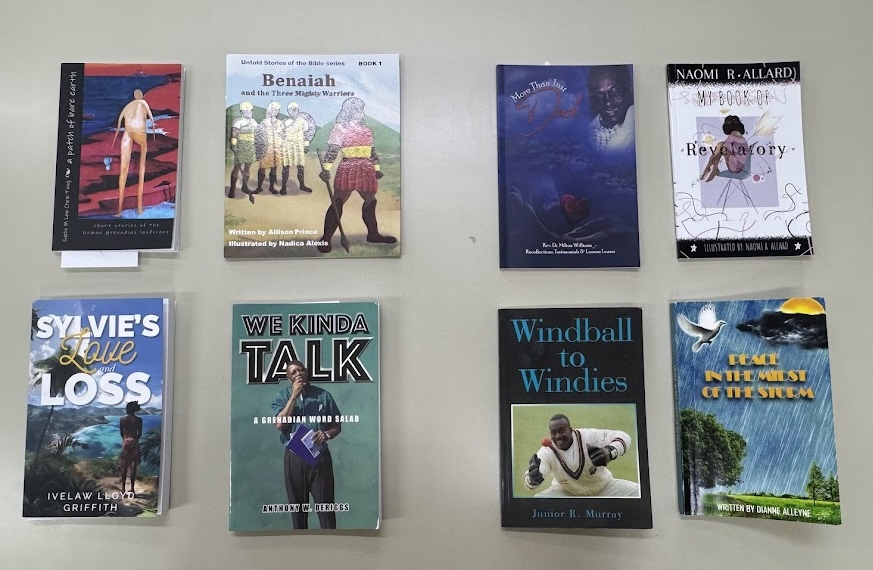
Critically, TAMCC’s community commitment extends beyond campus boundaries through its ongoing outreach initiatives. The recently concluded seventh Gilda Campos Outreach program at St. George’s Methodist School exemplifies this external engagement, continuing a tradition that has previously served senior citizens’ homes, facilities for disabled persons, and other educational institutions. These hour-long sessions combine reading activities, musical interaction, games, and motivational speaking, supplemented by donations of books by Grenadian authors and essential stationery items.
Ultimately, modern libraries function as social infrastructure that actively mitigates digital society’s shortcomings. By providing inclusive physical spaces, facilitating interest-based connections, and extending services to vulnerable populations, libraries demonstrate enduring relevance as institutions that fundamentally strengthen community bonds through the promotion of mutual respect and shared humanity.