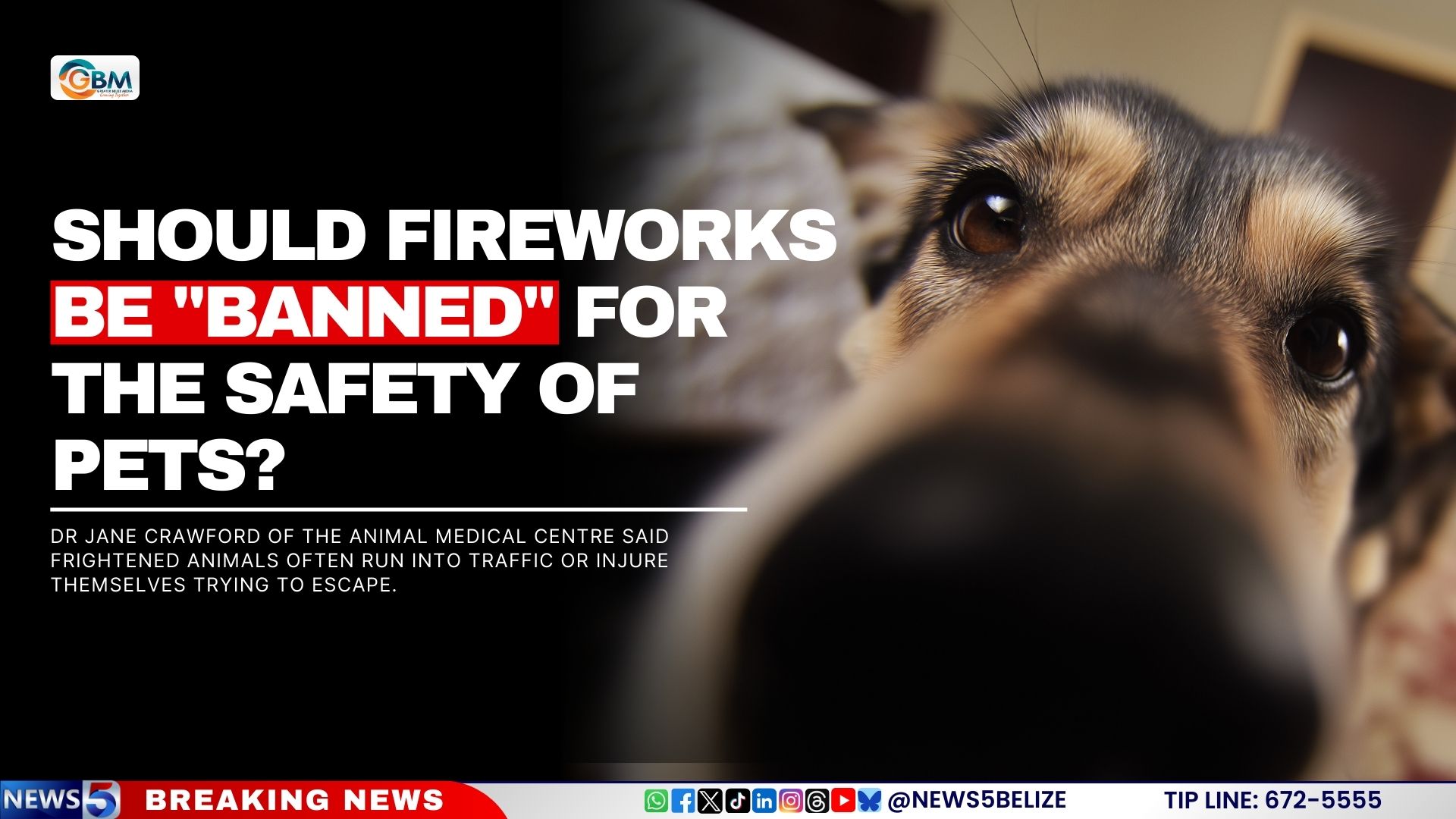
Animal protection organizations throughout Belize are intensifying calls for regulatory action against fireworks, citing severe distress and injury to domestic animals and wildlife during annual Christmas and New Year celebrations. The vibrant pyrotechnic displays that illuminate the night sky coincide with what rescuers describe as a predictable wave of animal emergencies.
According to documentation from multiple advocacy groups, explosive noises trigger widespread panic among animals, resulting in numerous escape attempts from secure properties. Sheila Ford, Director of Corozal Animal Welfare Advocates, reports significant annual animal losses directly linked to fireworks detonations. “Countless animals become displaced when fireworks erupt,” Ford stated. “Those remaining confined endure extreme terror, frequently trembling beneath furniture.”
Emergency response systems experience overwhelming demand during peak celebration periods. Michelle Rudon, President of the Society for the Promotion of Animal Rescue and Kindness (SPARK), confirmed that volunteer networks become inundated with distress calls concerning missing pets requiring rescue operations.
Veterinary professionals report treating serious trauma cases stemming from fireworks-related incidents. Dr. Jane Crawford of the Animal Medical Centre documented emergency surgical procedures performed on Christmas Day, including one case where a pet sustained critical injuries from leaping off an elevated veranda. “Our clinic consistently treats animals that have been struck by vehicles after fleeing onto roadways,” Dr. Crawford explained.
Advocates highlight the existing legal framework under Belize’s Dangerous Goods Act, which categorizes fireworks as explosives requiring licensed distribution and usage. Halima Santos of SPARK questioned the pervasive unregulated circulation of these materials: “These explosive devices are legally restricted to licensed operators, yet they’re routinely sold illegally nationwide. This widespread possession of essentially unregulated dynamite is deeply concerning.”
The collective advocacy effort seeks enhanced enforcement of current regulations and potential legislative amendments. Proposed measures include restricting fireworks usage to designated time windows and implementing comprehensive bans on particularly disruptive firecrackers. Rudon expressed unequivocal support for stringent prohibitions: “Given ultimate authority, I would institute a complete ban without hesitation.”