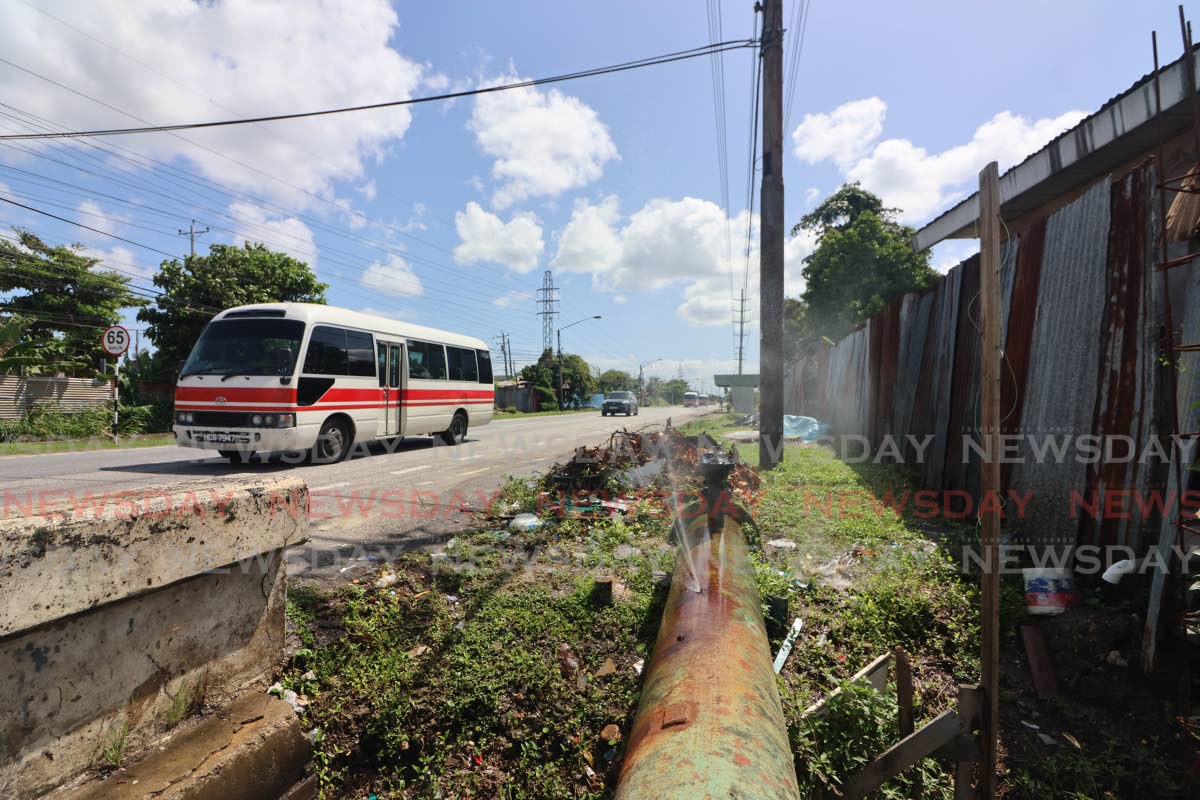
The Trinidadian government’s sudden decision to double the quarterly toll for maxi-taxis utilizing the Priority Bus Route (PBR) has ignited widespread criticism from both transportation operators and commuters. Effective January 1, the toll surges from $300 to $600—a move implemented without prior consultation or warning via Legal Notice No. 475 on December 22.
This toll adjustment, unchanged since 1988, arrives amid broader governmental efforts to enhance revenue streams and enforce traffic regulations through increased fines and duties. However, the abrupt nature of the hike has drawn sharp rebuke for its poor timing and lack of stakeholder engagement.
In response, maxi-taxi drivers are contemplating fare increases, potentially raising short-drop fares from $5 to $8—a shift that has alarmed daily commuters already grappling with inflationary pressures. The move threatens to exacerbate living costs and contradicts governmental claims of sensitivity to public welfare, particularly following October’s reduction of super gasoline prices by $1 per liter.
Critics argue that the toll hike lacks justification without corresponding improvements in infrastructure. Facilities such as City Gate in Port of Spain—described as outdated, insecure, and plagued by vagrancy and pollution—remain in deplorable condition. The terminal fails to meet basic accessibility standards for older adults and persons with disabilities, undermining any promise of enhanced services.
Furthermore, questions arise regarding the allocation of the increased toll revenue. If directed to the Public Transport Service Corporation (PTSC), which manages related infrastructure, the hike might be palatable. Yet, no commitments to maintenance or upgrades have been disclosed.
The decision also echoes past conflicts: fifteen years ago, the Privy Council ruled in favor of maxi-taxi drivers in a dispute over PTSC fees, with millions in damages still owed as of 2024. This historical precedent underscores the risks of imposing changes without dialogue or consensus.
Unless the UNC-dominated Parliament annuls the legal notice, the toll increase will proceed, potentially igniting further dispute and hardship. The government is urged to reconsider its approach, balancing fiscal objectives with equitable public policy.