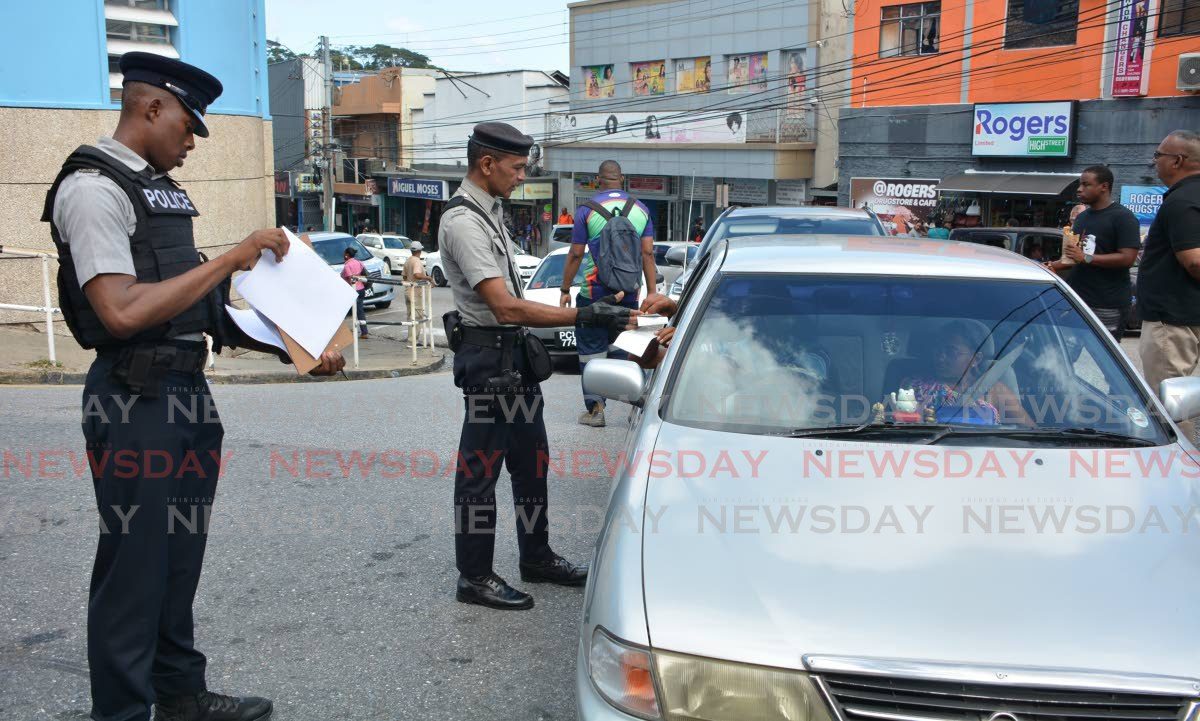
In a significant policy shift announced on Christmas Day, the Trinidad and Tobago government has enacted Legal Notice No. 471, substantially increasing penalties for traffic violations effective January 1, 2026. The sweeping changes represent the most comprehensive overhaul of traffic fines in recent history, with some penalties increasing tenfold.
The most dramatic escalation targets uninsured drivers, whose fines jump from TT$1,000 to TT$10,000. The adjustments affect numerous violations outlined in the Ninth Schedule of the Motor Vehicles and Road Traffic Act, marking a stark departure from previous government positions. Opposition leaders were quick to highlight that Prime Minister Persad-Bissessar had previously criticized high traffic fines while in opposition and promised reductions.
This punitive approach arrives amid alarming road safety statistics. Traffic fatalities have demonstrated a troubling upward trajectory, climbing from 96 deaths in 2023 to 117 in 2024, and reaching 122 by late 2024. Current figures for 2025 indicate only marginal improvement with 108 road-related deaths recorded to date.
The government’s latest action contrasts sharply with its earlier decision to weaken the demerit point system in July 2025, raising questions about the consistency of its road safety strategy. The demerit system, initially implemented in March 2020 and subsequently modified in March 2022, had provided a mechanism for tracking repeat offenses while allowing drivers opportunity to correct behavior before license suspension.
International research suggests that fine increases below 100% prove relatively ineffective in modifying driver behavior, making Trinidad and Tobago’s substantial hikes potentially more impactful. However, critics note the silent implementation without public consultation and characterize the move as revenue generation disguised as public safety measure.
The administration has demonstrated similar taxation approaches toward alcohol consumption, smoking, and gambling, positioning traffic fines within a broader pattern of behavioral taxation. Enforcement remains a crucial factor, with historical precedents showing systemic challenges. In 2019, authorities reported approximately 120,000 unpaid fixed penalty tickets from 2011-2015, eventually requiring court intervention and subsequent amnesty programs with 50% discounts.
The government has signaled strengthened enforcement intentions through recent recognition of Police Constable Keron Sankar, who issued 1,427 traffic tickets during the first half of 2025. Experts emphasize that without consistent enforcement and judicial follow-through, even dramatically increased fines may fail to significantly reduce traffic violations and preventable road deaths.