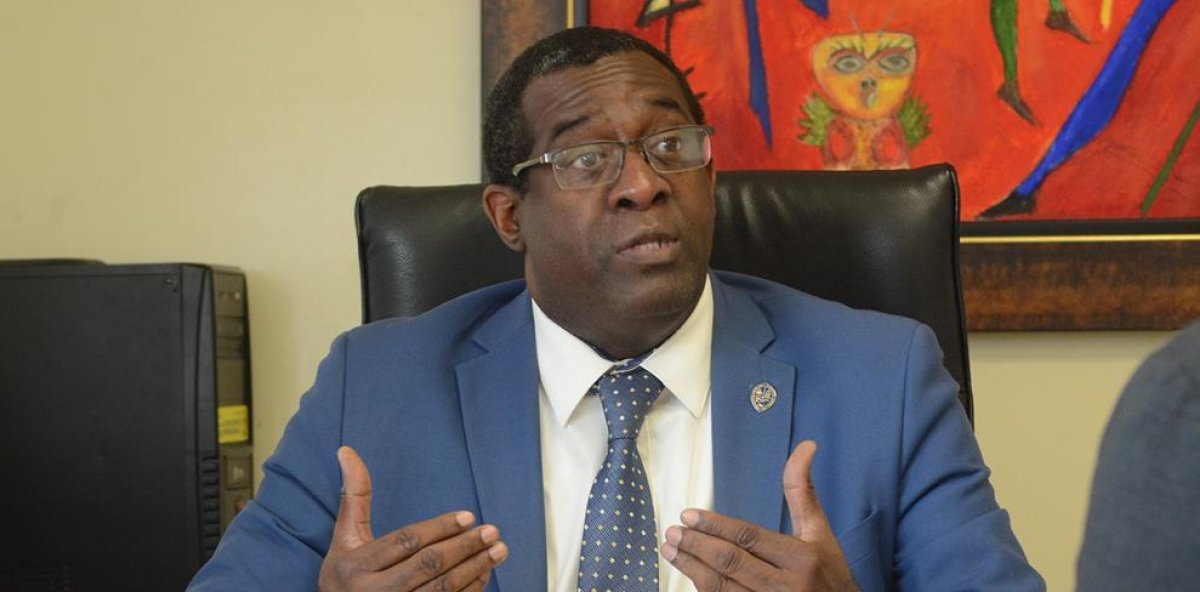
Prominent economists Rafael Espinal and Antonio Ciriaco Cruz have outlined a series of pressing economic challenges confronting the Dominican Republic as the nation approaches 2026. Their analysis identifies critical areas requiring immediate governmental attention to ensure sustainable economic growth and stability.
Professor Rafael Espinal of Santo Domingo’s Technological Institute (Intec) emphasized that the foremost priority must be the implementation of a comprehensive fiscal reform. He characterized this reform as needing to be progressive in nature, socially inclusive, and strategically structured to benefit the broader economy.
Espinal identified three additional crucial challenges: revitalizing public investment programs, particularly within the construction sector; maintaining monetary policies that ensure competitively low interest rates; and restoring public trust in governmental institutions through demonstrated administrative honesty and operational efficiency.
Echoing these concerns, Antonio Ciriaco Cruz, Dean of Economic and Social Sciences at the Autonomous University of Santo Domingo (UASD), specifically called for increasing public investment to approximately 3% of the nation’s Gross Domestic Product. Cruz further recommended stimulating domestic credit mechanisms to boost both private consumption and investment activities—key drivers for achieving targeted economic growth objectives.
The economics expert additionally cautioned against two emerging fiscal pressures: escalating public debt interest payments and excessive financial transfers to the electricity sector. Cruz warned that without containing these expenditures, the Dominican Republic’s economic progress could face significant headwinds in the coming years.
Both experts presented their assessments during a recent economic outlook forum, highlighting the interconnected nature of these challenges and the necessity for coordinated policy responses.