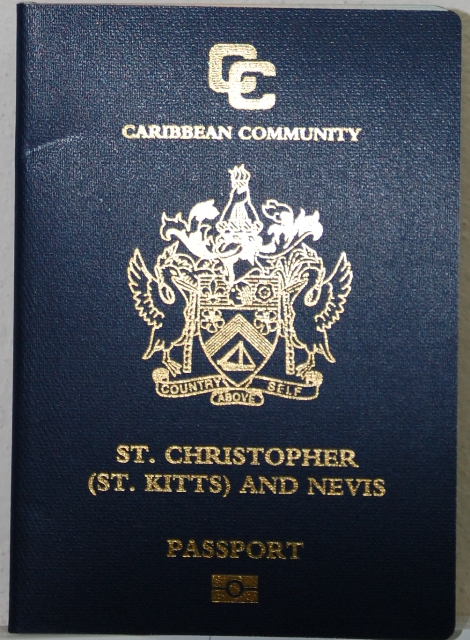
WASHINGTON, DC — Recent data reveals that St. Kitts and Nevis has processed 56,015 Citizenship by Investment (CBI) passports over the past decade, making it the Caribbean’s most sought-after economic citizenship program despite growing international concerns. The European Commission’s latest report indicates that 48,844 passports were issued between 2015 and 2023, with an additional 6,437 in 2024, though approvals have dramatically slowed to just 734 through April this year.
The transparency of CBI programs has historically been limited, but regional reforms have significantly impacted application volumes. Prime Minister Dr. Terrance Drew acknowledged this decline during his Budget address, noting that while the Federation received 19,655 applications between 2015-2023, only 223 were recorded in 2024, with 171 additional applications through April.
Rejection rates remain comparatively low—739 applications between 2015-2023, 98 in 2024, and 86 through April—but the program faces intense international scrutiny. The European Union and United States have pushed for reforms including enhanced due diligence, mandatory applicant interviews, and cooperation on application denials.
Concerns center on security risks posed by successful applicants from visa-restricted countries. The Commission reported that in 2024, successful applicants included 531 Syrians, 365 Iraqis, and 333 Chinese nationals. St. Kitts and Nevis specifically approved citizens from Russia, Belarus, Iran, Iraq, North Korea, and Afghanistan.
The EU has warned that these programs “inherently carry security risks for the Schengen area” and could lead to withdrawal of visa-free access. The Commission emphasized that obtaining visa-free EU access remains a primary benefit for investors who would otherwise require visas, creating ongoing migration control challenges.