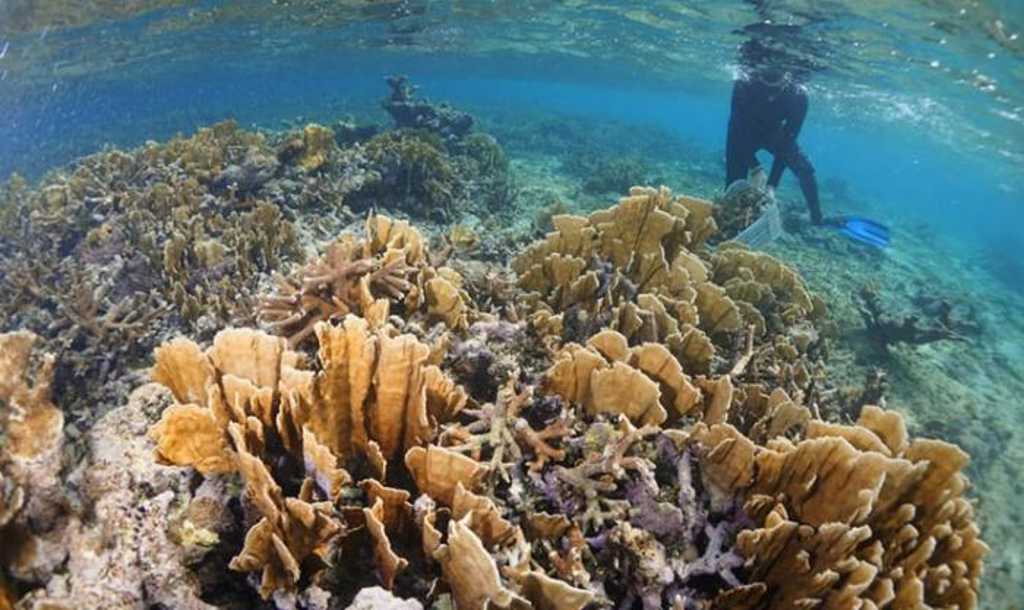
In a landmark scientific achievement, Cuban researchers have developed a comprehensive national strategy for coral reef conservation following an unprecedented research initiative. The pioneering effort, which employed a unified methodology for the first time, yielded critical scientific data while highlighting the profound fragility and ecological value of these marine ecosystems.
The research program reached a pivotal milestone with the 2023 Circumnavigation of Cuba expedition, a collaborative scientific mission involving both national and international institutions. This extensive marine survey provided the foundational data necessary for formulating evidence-based conservation policies.
According to reports from Cubadebate, the completed study will be presented to Cuba’s Council of Ministers for official approval. The proposed framework advocates for a more responsible relationship with coral habitats, promoting informed decision-making and enhanced ecosystem management that actively engages local communities in conservation efforts.
Dr. Patricia Gonzalez Diaz, lead researcher at the Center for Marine Research, provided essential leadership in developing this conservation strategy. Her work builds upon decades of dedicated research by numerous scientists and conservationists who have documented Cuba’s marine biodiversity.
This conservation initiative aligns with Cuba’s State Plan for Confronting Climate Change (Tarea Vida), though officials acknowledge that implementation progress has been slower than initially anticipated.
The protection of coral reefs remains critically important due to their multifaceted ecological services. These include coastal defense against marine erosion and extreme weather events, support for commercially valuable marine species through high biodiversity, and natural sand generation processes that sustain Cuba’s iconic beaches.