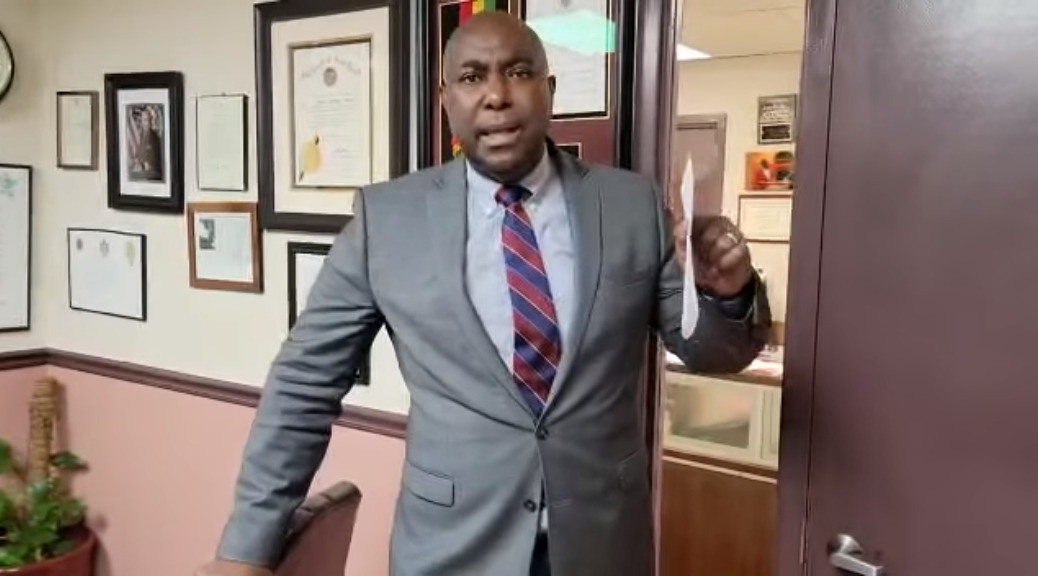
The Caribbean nation of Dominica stands at a critical juncture where its very survival hinges not on military power or political rhetoric, but on moral fortitude, historical consciousness, and civic courage. This profound moment demands the awakening of what local intellectual Gabriel Christian describes as ‘the remnant’—those individuals forged in the principled postwar era following universal adult suffrage in 1951.
Following the landmark achievement of self-governance, Dominica experienced a transformative period that cultivated exceptional character and civic virtue. This epoch produced visionary leadership including pragmatic businessman-statesmen and agricultural reformers who revolutionized education and rural development. The foundational philosophy of ‘koudmen’ (cooperative effort) created a society built on mutual accountability, discipline, and honesty that enabled effective governance despite limited resources.
During this golden age, Dominica maintained thriving citrus and banana industries alongside local manufacturing of consumer goods ranging from fruit jellies to soft drinks. Trust-based financial cooperatives and credit unions flourished alongside genuine social cohesion, where traditional greetings symbolized deeper mutual respect rather than mere politeness.
The remnant remembers institutional guardians like Truancy Officer Mr. Frank ensuring children’s education, Sanitary Officer Mr. Solomon maintaining public health standards, and forest guards protecting natural resources for future generations. This system represented not authoritarianism but ‘civic love’—a disciplined collective care preventing social fragmentation.
Contemporary Dominica presents a stark contrast: educational institutions grappling with drug infiltration, communities besieged by criminal gangs, and environmental degradation threatening the ‘Nature Island’s’ ecological heritage. Trust in institutions has eroded while lawlessness proliferates, exacerbated by compromised leadership and foreign exploitation.
Most alarmingly, some within the remnant class have acquiesced to systemic corruption, exchanging courage for complacency. This silent complicity threatens the nation’s foundational values as Dominica faces potential moral collapse under external influences and internal apathy.
Drawing from Christian theological concepts, the remnant represents the moral minority preserving truth amidst societal compromise. Their power resides not in numerical superiority but in unwavering authenticity, perseverance, and obedience to conscience. This group must serve as Dominica’s moral compass—defending rule of law, environmental stewardship, and institutional integrity through concrete action rather than rhetoric alone.
The urgent call to action demands the remnant reclaim their historical responsibility: mentoring youth, rebuilding cooperative institutions, and speaking truth to power without fear. Their mobilization represents the final barrier against complete moral dissolution and the last hope for national renewal through courageous civic engagement anchored in truth, justice, and genuine patriotism.