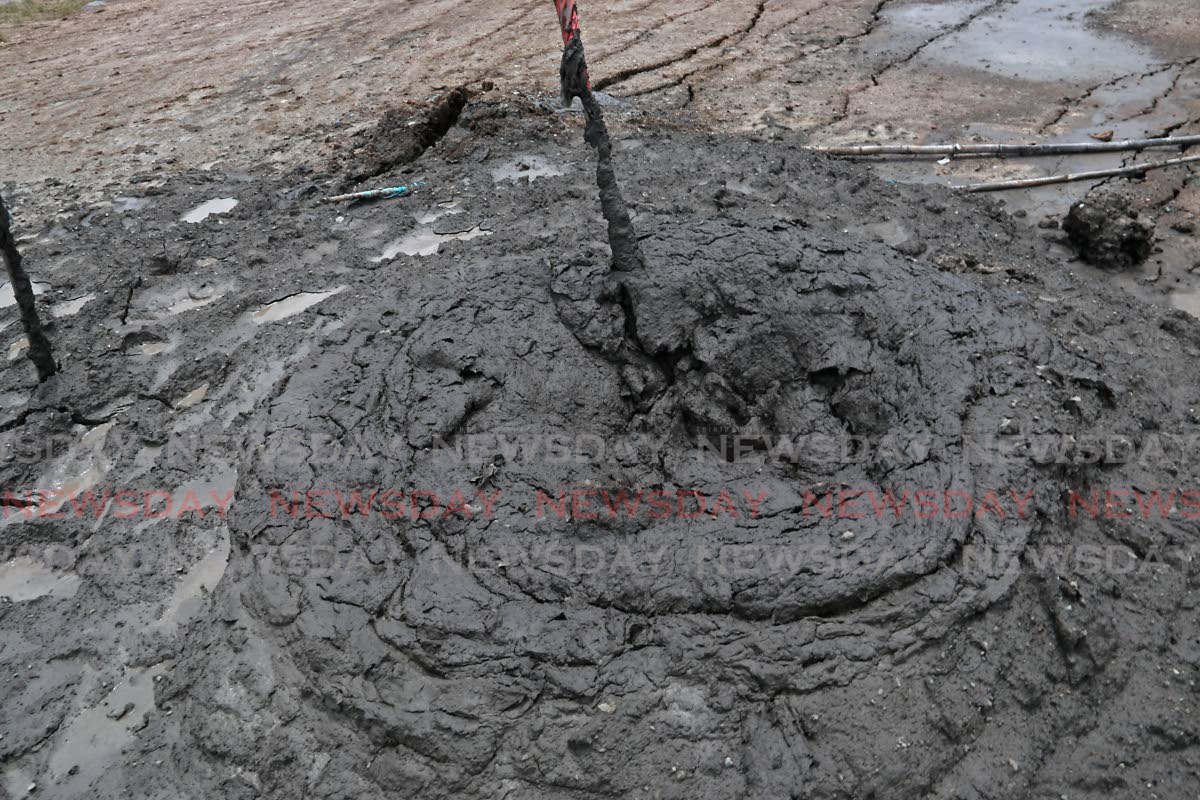
The Piparo mud volcano in Trinidad erupted unexpectedly on December 24th, triggering immediate emergency response protocols. According to confirmed reports, the volcanic activity occurred without warning, prompting the Disaster Management Unit of the Couva/Tabaquite Regional Corporation to dispatch assessment teams to the site.
The eruption marks another significant event in the geological history of the region, where mud volcano activity has periodically affected local communities. These natural phenomena occur when underground layers of pressurized mud and gases force their way to the surface, creating distinctive cone-shaped formations and occasionally discharging substantial quantities of sediment.
Emergency management authorities are currently evaluating the situation’s severity and potential impact on surrounding areas. While mud volcanoes typically don’t produce lava flows like traditional volcanoes, they can still pose substantial risks including ground instability, gas emissions, and potential damage to infrastructure.
Local residents have been advised to remain alert for official updates as the situation develops. The Disaster Management Unit is expected to provide detailed assessments regarding evacuation protocols or safety measures should they become necessary. Historical data indicates that previous eruptions in the area have required temporary relocations and mitigation efforts to protect nearby populations.
The timing of the eruption during the holiday season adds complexity to response efforts, though authorities have confirmed that emergency services remain fully operational. Scientists and geologists specializing in volcanic activity are monitoring the site for further developments.