In an era of information overload, libraries maintain their critical role as guardians of knowledge and facilitators of continuous learning. This analysis, the second in a four-part series examining the enduring relevance of libraries, focuses specifically on how these institutions cultivate information literacy and support educational advancement in contemporary society.
Information literacy represents a multifaceted skillset encompassing the ability to identify, evaluate, and effectively utilize information—a competency increasingly vital in both personal and professional contexts. The American Library Association defines this as recognizing when information is needed and possessing the capability to locate, assess, and employ it appropriately. Libraries worldwide champion freedom of information access while implementing careful curation policies to combat misinformation, with their specific approaches varying based on institutional type (academic, public, national, or special).
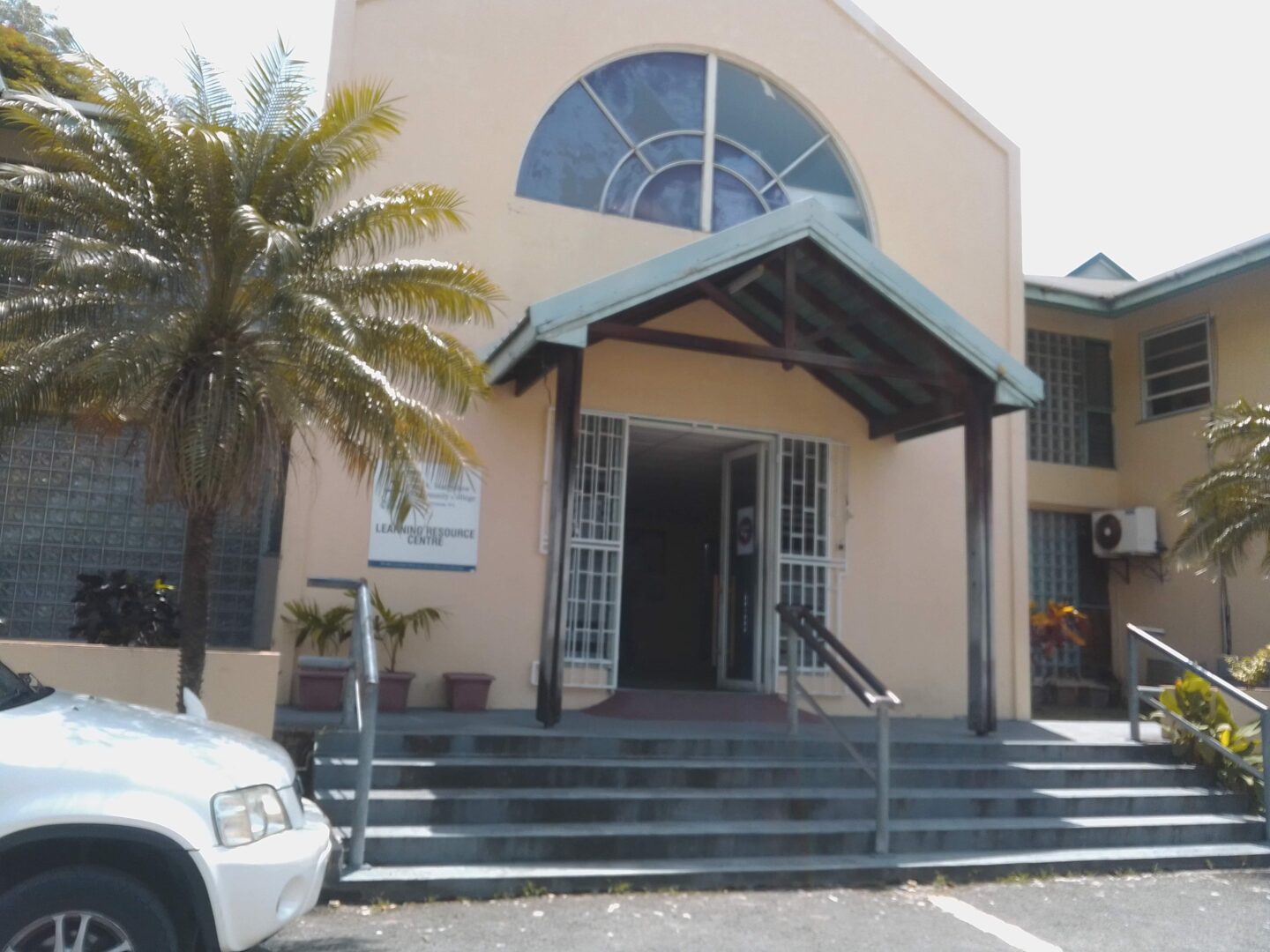
The T A Marryshow Community College Library (TAMCCL) exemplifies how academic libraries serve their communities. Despite resource constraints common in developing nations, TAMCCL provides carefully vetted materials in both digital and physical formats to support the college’s curriculum. Beyond mere resource provision, library staff actively enhance student capabilities through classroom research sessions demonstrating advanced database techniques, including scholarly filters and peer-review identification.
TAMCCL’s innovative programming extends to interdisciplinary education, hosting expert-led sessions on diverse topics from recycling initiatives to nutritional health and United Nations Sustainable Development Goals. These sessions feature collaborations with authoritative organizations including Grenada Solid Waste Management Authority, Grenada Food and Nutrition Council, and UN representatives in Grenada. The library employs creative multimedia and sensory experiences to engage students, exemplified by World Food Day 2025 celebrations that combined educational presentations with healthy food sampling in the library lobby.
The modern concept of continuous learning has dramatically evolved from traditional education models. Information now transcends physical books, requiring ongoing skill development throughout one’s career and personal life. Public libraries design programs for all age groups, while academic institutions like TAMCC, The UWI Global Campus, and St. George’s University offer continuing education opportunities. Their supporting libraries provide essential resources for adult learners seeking professional development or technological upskilling.
Technology’s pervasive influence on daily life creates digital literacy requirements that libraries uniquely address. For those lacking technological access or proficiency, libraries offer non-discriminatory, cost-free skill development regardless of age or background. This function proves particularly crucial in resource-limited environments like Grenada and other small island developing states, where libraries serve as vital hubs combating outdated educational notions while promoting information literacy as a fundamental societal value.