A diplomatic rift has emerged between Caribbean leaders following critical remarks by Trinidad and Tobago’s Prime Minister about regional approaches to US relations. Prime Minister Kamla Persad-Bissessar of Trinidad and Tobago suggested during a public address that US travel restrictions imposed on Antigua and Barbuda and Dominica resulted from their criticism of the Trump administration. Her comments implied that Caribbean nations should exercise caution when engaging with Washington, describing the United States as her country’s largest trading partner.
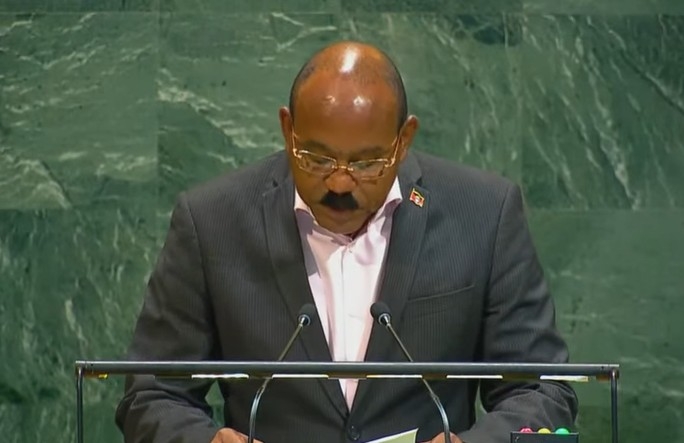
In a robust rebuttal, Antigua and Barbuda Prime Minister Gaston Browne issued a detailed response defending both his nation’s diplomatic record and the value of CARICOM cooperation. Browne emphasized that his government has never questioned any member state’s sovereign right to manage bilateral relationships according to their national interests. However, he asserted that no CARICOM member should challenge another’s legitimate engagement with international partners on matters affecting its citizens.
The Antiguan leader presented substantial economic data to counter claims of CARICOM’s unreliability as a partner. He revealed that Trinidad and Tobago generated over $1.1 billion in foreign exchange from trade with CARICOM nations in 2024 alone, making the regional bloc its second-largest export market after the United States. Browne highlighted that Trinidad maintains the only consistently positive trade balance within CARICOM since the organization’s establishment in 1973.
Browne further contextualized this economic relationship by noting the regional sacrifices made through the Common External Tariff system, which protects Trinidad’s manufacturing sector. In 2023, CARICOM members collectively forgone approximately $142.7 million in customs revenue by sourcing goods from Trinidad under this protection mechanism—a financial sacrifice borne by Caribbean consumers in the spirit of regional solidarity.
The Prime Minister also addressed security cooperation, noting Trinidad’s benefit from CARICOM-led initiatives against organized crime through intelligence sharing and coordinated law enforcement. Browne firmly rejected characterizations of Antigua and Barbuda as anti-American, detailing his nation’s record of collaboration with the US on security, immigration, and multilateral engagement through international organizations.
This exchange highlights ongoing tensions within CARICOM regarding foreign policy approaches, particularly toward Venezuela where Persad-Bissessar has supported US hardline positions and naval actions in the Caribbean—positions that diverge from other member states. Browne concluded by asserting that maintaining respectful relations with global partners and advocating for regional unity remain complementary rather than contradictory objectives.