The escalating geopolitical confrontation between the United States and Venezuela has introduced significant navigation challenges for Caribbean aviation, with GPS signal interference becoming a notable operational concern. Since December 16, US naval forces have established a maritime blockade around Venezuela, implementing electronic countermeasures that disrupt satellite navigation systems across the region.
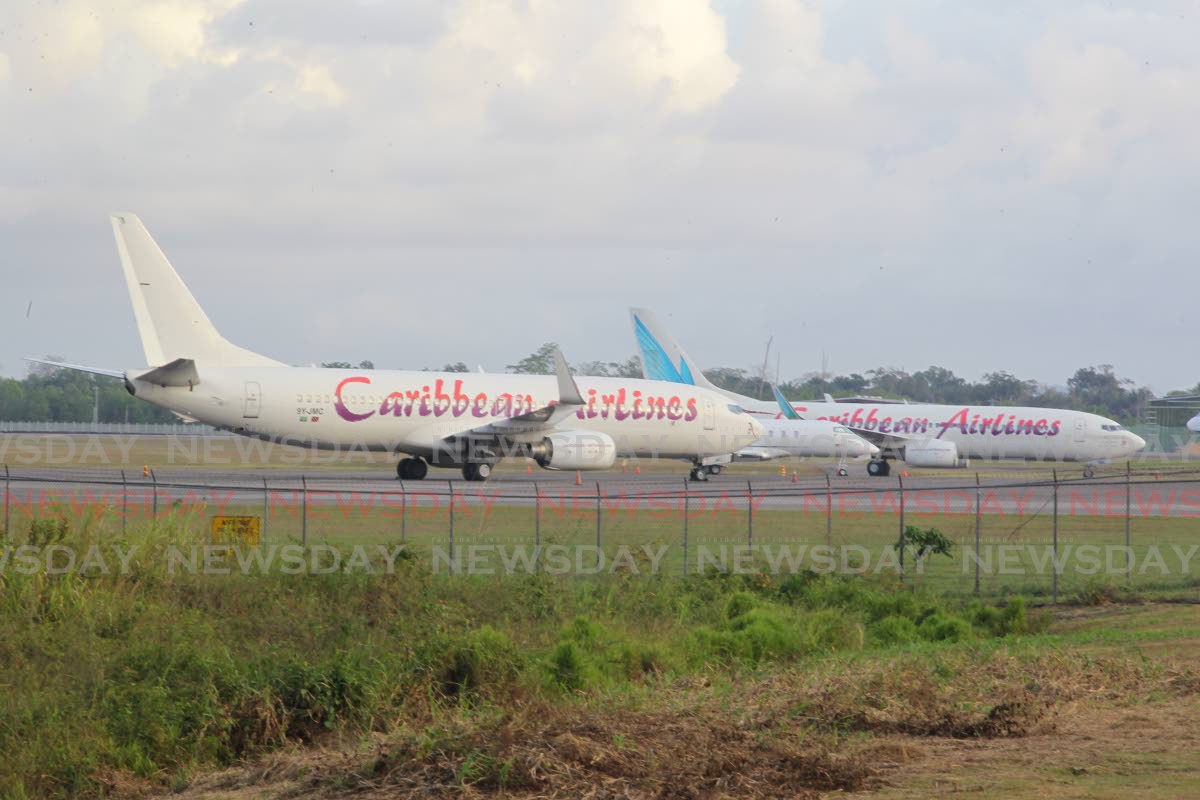
Despite Trinidad and Tobago’s proximity to Venezuela—merely seven miles distant—Caribbean Airlines (CAL) Chairman Reyna Kowlessar maintains that the airline’s operations remain unaffected by GPS jamming. In a December 22 statement, Kowlessar emphasized that comprehensive pre-flight checks ensure operational integrity, with no reported disruptions to CAL’s navigation systems.
However, an experienced CAL pilot, speaking anonymously, revealed that while safety remains uncompromised, the intermittent GPS disruptions necessitate alternative navigation methods. Pilots increasingly rely on Very High Frequency Omni-Directional Range (VOR) systems and conventional navigation techniques, resulting in extended flight durations and increased fuel consumption. The pilot noted that typical five-hour flights to New York may now require six hours, creating economic inefficiencies without compromising safety protocols.
A more pressing concern emerged regarding US military aircraft operating without activated transponders in Trinidadian airspace. The absence of these critical identification systems—which enable Traffic Collision Avoidance Systems (TCAS) to function—creates potential collision risks. This issue gained attention after a JetBlue pilot nearly collided with an unidentified military aircraft near Curaçao, prompting outrage within aviation circles.
Air traffic control sources confirmed that while GPS disruptions remain manageable, the non-communication of military aircraft poses greater operational hazards. Retired Civil Aviation Director General Ramesh Lutchmedial provided historical context, referencing the 1983 Soviet shootdown of Korean Air Lines Flight 007 as precedent for why major powers typically avoid jeopardizing civilian aviation safety. Lutchmedial suggested that any active GPS jamming likely originates from Russian-supplied Venezuelan equipment rather than US systems.
CAL leadership reaffirmed their commitment to safety-first operations, with continuous monitoring and adaptive route management ensuring passenger security amid regional tensions.