A disturbing revelation has emerged from Trinidad and Tobago’s Teaching Service Commission (TSC) 2024 Annual Report, highlighting a critical failure in addressing sexual misconduct within the education system. The document discloses 16 separate allegations categorized as ‘sexual abuse’ against educators, representing a profound institutional crisis that demands immediate attention.
According to the report’s findings, five teachers collectively face 13 substantiated allegations, with one individual alone accounting for five separate accusations of professional misconduct. These cases have remained unresolved for over a year, creating an untenable situation for both the accused educators and the vulnerable students who courageously came forward.
The TSC acknowledges the gravity of these allegations, stating it ‘continues to give increased attention to those disciplinary matters involving the abuse of children including physical and sexual abuse.’ However, this commitment rings hollow given the systemic delays plaguing the process. The commission cites multiple obstacles including sluggish court proceedings and extensive waiting periods before disciplinary tribunals as primary contributors to the backlog.
Judicial scrutiny has intensified regarding the TSC’s operational effectiveness. In August 2024, Justice Frank Seepersad openly questioned whether the commission possesses the capability to efficiently manage teacher hiring, promotion, and disciplinary actions. This judicial concern reflects broader institutional failures, as the TSC has repeatedly faced legal challenges over inordinate delays in addressing appointments and promotion appeals.
The justice system itself shares responsibility for this crisis. Astonishingly, zero court matters from the TSC reached the Judiciary in 2024, with fourteen cases remaining unheard and outstanding by year’s end. This paralysis affects all parties awaiting resolution, from minor administrative matters to serious abuse allegations.
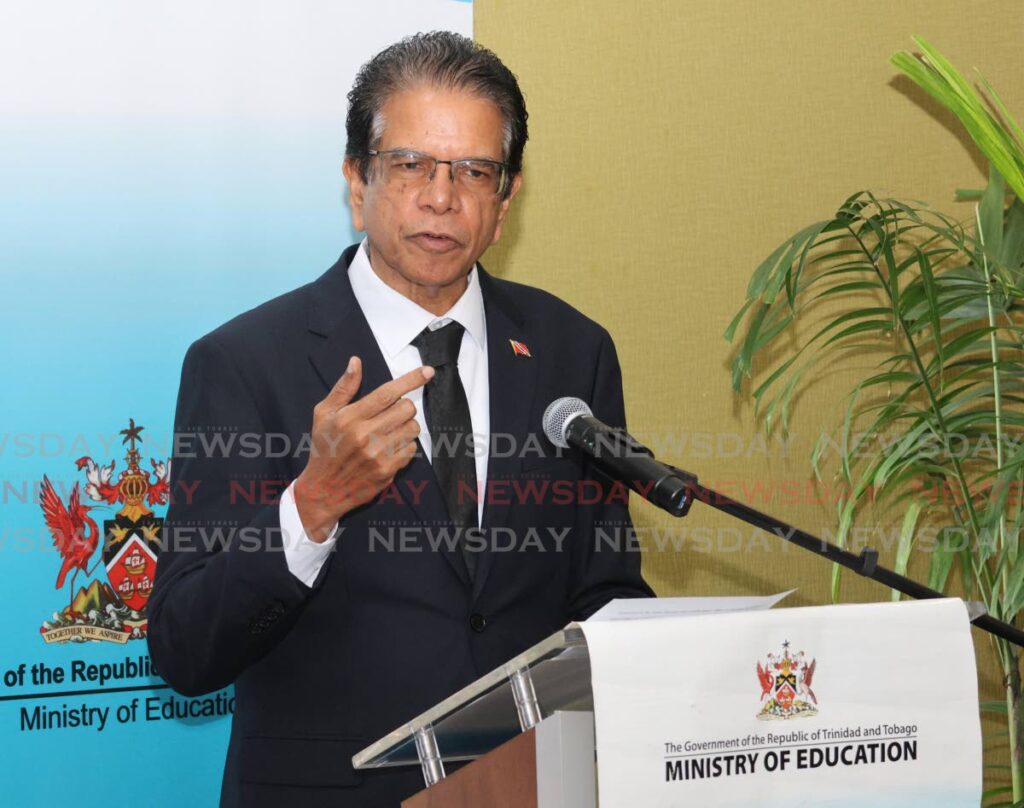
Education Minister Dr. Michael Dowlath has committed to modernizing policies and improving operational efficiency. However, stakeholders emphasize that practical guidance to schools and meaningful collaboration with the commission must become immediate priorities. Established in 1962 to oversee teacher appointments, transfers, promotions, and disciplinary controls, the TSC cannot fulfill its mandate when crippled by bureaucratic inertia and judicial delays that compromise child safety and educator integrity.