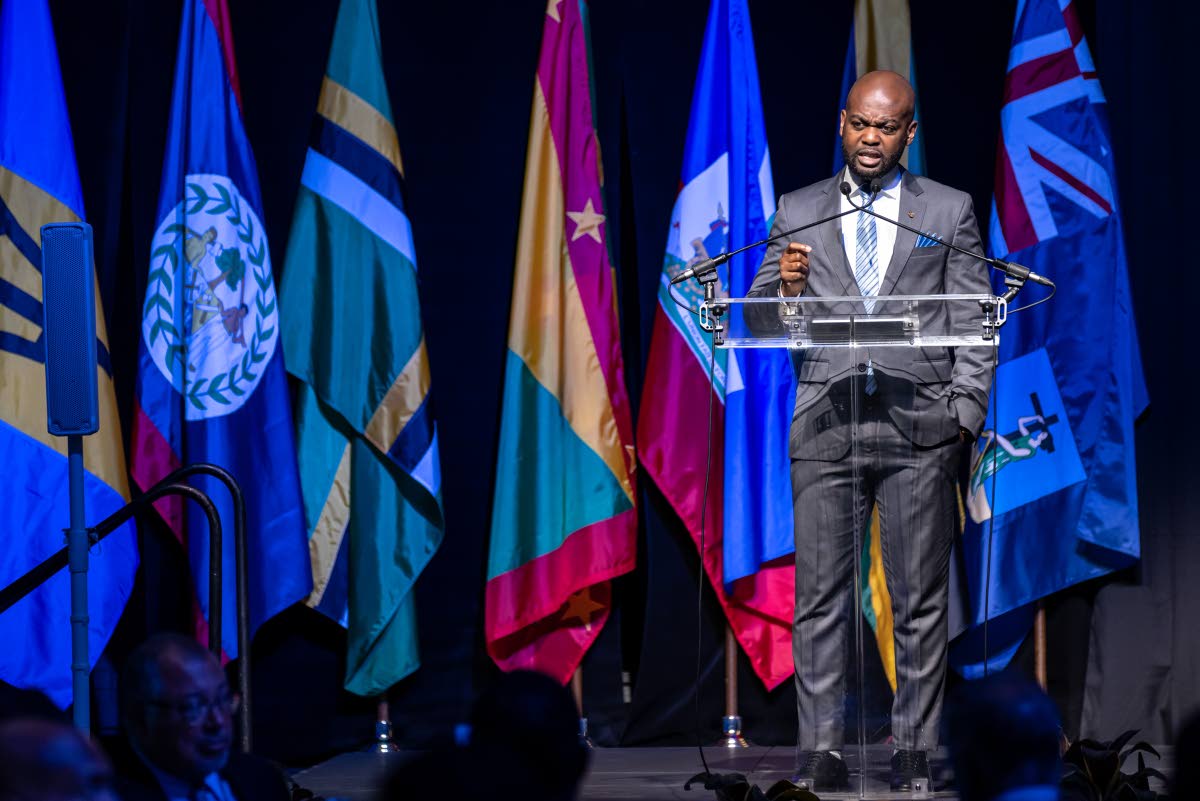
A deepening crisis within Cricket West Indies (CWI) has sparked intense scrutiny of President Dr. Kishore Shallow’s leadership, with critics arguing his dual political role and poor decision-making have severely damaged Caribbean cricket.
The core controversy centers on Shallow’s divided responsibilities between his elected parliamentary position in St. Vincent and the Grenadines and his CWI presidency. This dual commitment inevitably creates scheduling conflicts where governmental duties take precedence, leaving West Indies cricket administration neglected during a period of critical decline.
Performance metrics under Shallow’s nearly three-year tenure reveal alarming regression. The West Indies team has consistently underperformed internationally, with critics highlighting disastrous personnel decisions including the controversial appointment of Daren Sammy as head coach and sole selector. This move proved particularly damaging after Sammy replaced Andre Coley, who had achieved notable successes including ending a 24-year victory drought against Australia in February 2024 and securing a series draw against Pakistan in early 2025.
The administration’s tactical approach has drawn fierce criticism for lacking innovation or strategic vision. Rather than implementing new systems or development programs, Shallow’s leadership has maintained ineffective methods despite mounting losses and diminishing fan enthusiasm across the cricket-loving Caribbean region.
Governance concerns extend to Shallow’s apparent failure to recognize his own limitations. Despite the team’s prolonged struggles and his acknowledged divided attention, he maintains confidence in his indispensability to CWI—a position critics describe as dangerously detached from reality.
The article concludes that graceful resignation represents Shallow’s most honorable option, allowing fresh leadership to attempt rescuing West Indies cricket from its current trajectory toward irrelevance. The ultimate responsibility, analysts note, rests with leadership rather than players when organizations consistently fail.