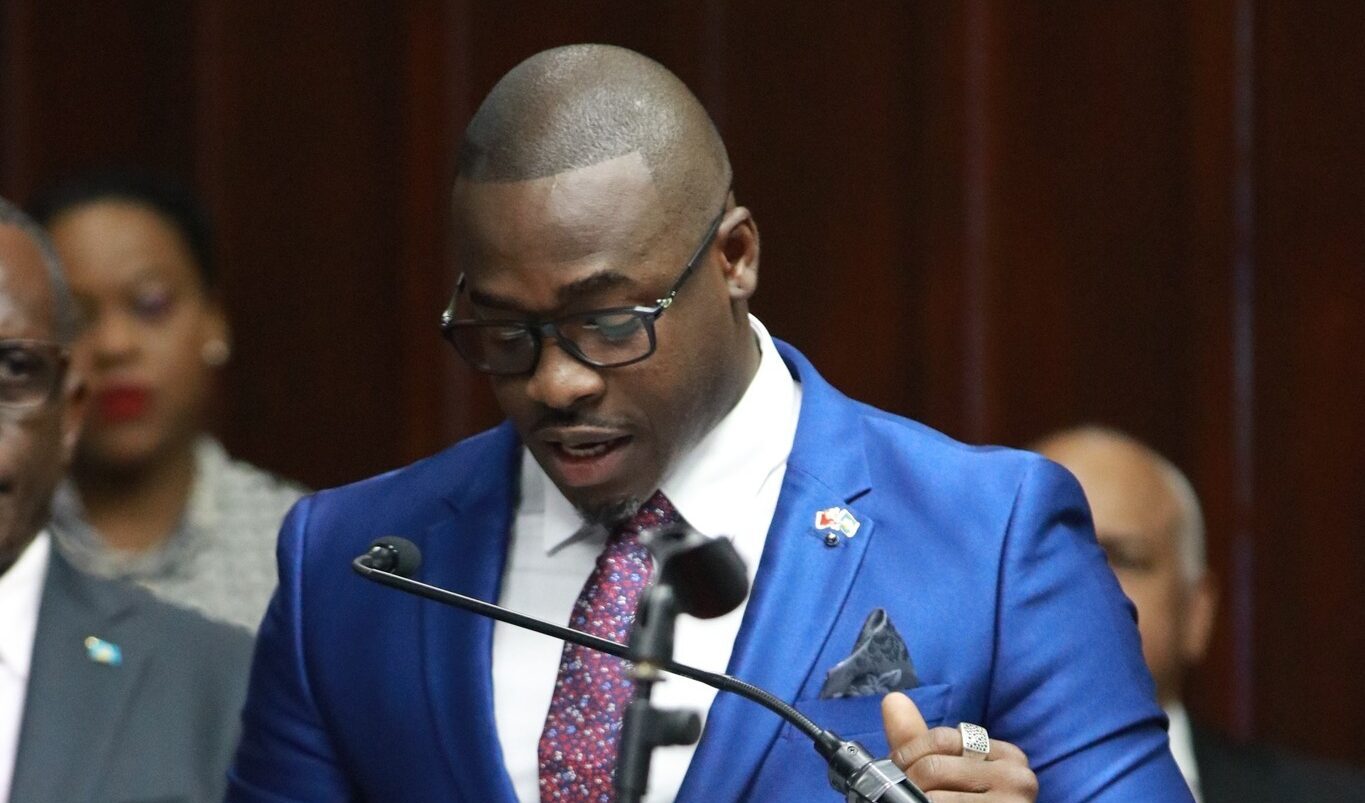
Following Prime Minister Philip J. Pierre’s cabinet reshuffle after the Saint Lucia Labour Party’s reelection, Sports Minister Kenson Casimir’s expanded role combining youth development, sports, and education has created new possibilities for athletic development. This marks the first reunification of education and sports ministries since 2006, breaking the tradition of one-term appointments and providing continuity for existing policies.
The consolidation has generated optimism about establishing a comprehensive National Sports Policy and creating a School Sports Commission. Sports administrators across the island have identified critical investment areas needing immediate attention to advance Saint Lucia’s athletic programs.
Infrastructure development emerges as a primary concern, with experts highlighting the absence of modern facilities. David Shakes Christopher, President of the Saint Lucia Boxing Federation, emphasized the urgent need for decentralized facilities, particularly in the southern region. His comments followed a historic victory by a Vieux Fort boxer in Dubai, demonstrating the potential of regional talent when properly supported.
Dora Henry, President of the Saint Lucia Athletics Association, echoed these concerns while expanding on the infrastructure requirements: “Saint Lucia needs safe, modern and well-maintained facilities in both the north and south, along with clear policies for management, access and maintenance. When athletes train on inadequate surfaces, performance, safety, and retention are directly affected.”
Beyond physical infrastructure, sports leaders identified club development and human resource investment as critical gaps. Henry emphasized the need for “sustained investment across the entire athletics pathway from early talent identification to world-class high-performance support,” advocating for structured long-term frameworks rather than event-based support.
The rise of semi-professional leagues has begun bridging the gap between amateur and professional sports, but significant challenges remain. Francis Daniel, CEO of the Saint Lucia Semi-Professional Football League, noted their transformative impact while calling for further streamlining: “The next phase of growth will require us to streamline our operations to maximize efficiency and ensure consistent delivery.”
Similar developments are needed in boxing, according to Christopher, who advocated for semi-professional programs that would allow athletes to focus on training rather than menial jobs. The coaching certification gap was highlighted by Mandalee Mason of the Saint Lucia Mixed Martial Arts Federation, who stressed the need for formally qualified trainers to advance athlete development.
Despite these challenges, sports administrators remain optimistic about Saint Lucia’s athletic future. As Henry concluded: “Saint Lucia already has the talent and the passion. What we now require is an environment that makes high performance achievable and sustainable for generations to come.”