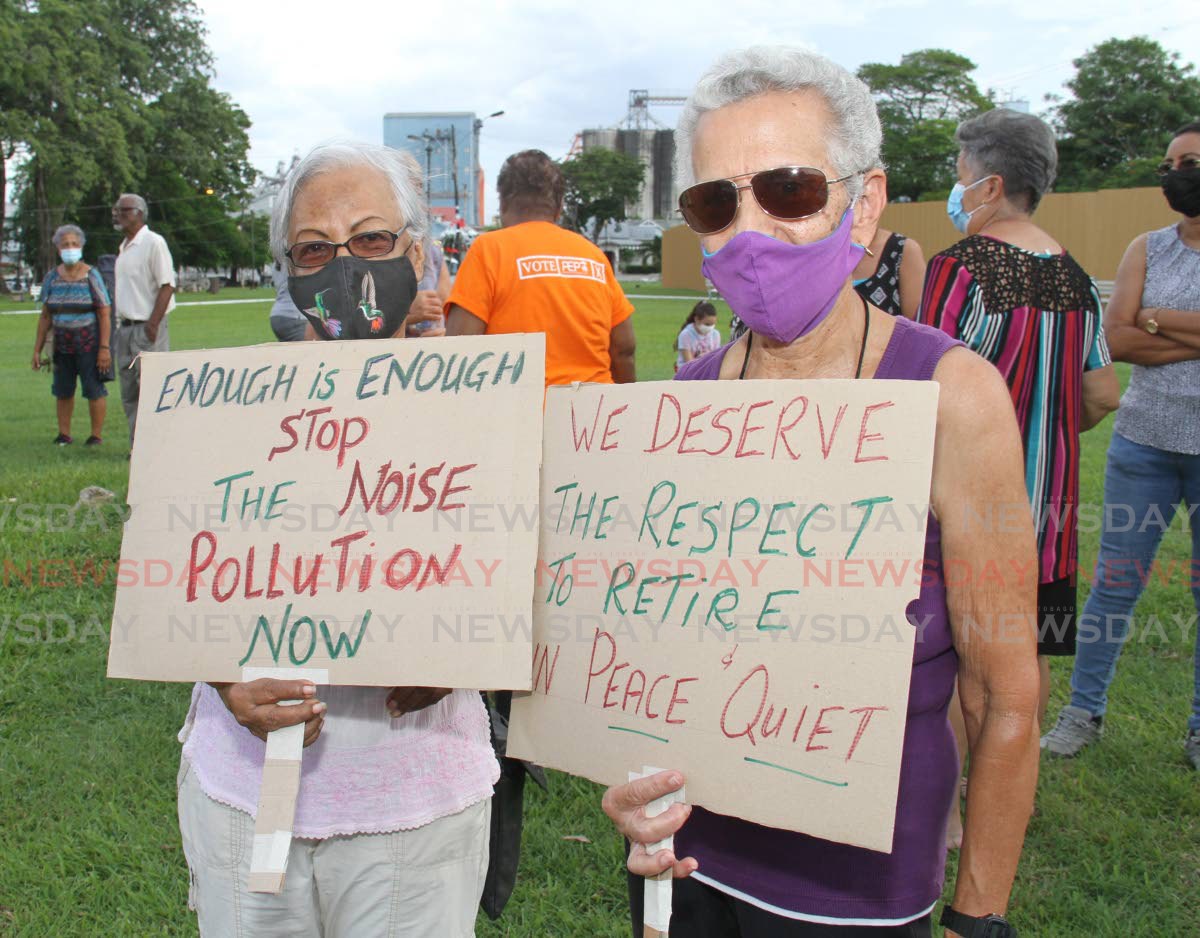
A significant discrepancy has emerged between official noise pollution statistics and ground-level realities in Trinidad and Tobago, according to anti-noise advocacy group Citizens Against Noise Pollution in TT (CANPTT). While the Environmental Management Authority’s 2024 report indicated a 2% decrease in noise complaints through its hotline and a 16% reduction in police-reported cases, the NGO contends these figures mask a troubling reality of citizen disillusionment with reporting mechanisms.
The EMA’s data revealed 464 total noise complaints, with 312 referred to the Trinidad and Tobago Police Service (TTPS) as falling outside their jurisdiction. The breakdown showed residential loud music (314 complaints) as the predominant concern, followed by bar music (72) and establishment noise (27). Notably, the EMA’s dedicated hotline received only two complaints about residential music noise, suggesting potential underutilization.
CANPTT Vice President Lindy-Ann Bachoo challenged the statistical narrative, stating that declining complaint numbers reflect institutional failure rather than improved conditions. “Many citizens have complaint fatigue. When citizens repeatedly report, follow up, and see no meaningful intervention, many eventually stop reporting altogether,” Bachoo explained.
The advocacy group identified multiple systemic failures: inadequate after-hours reporting options at EMA, limited enforcement personnel (reportedly just eight officers in 2025), and jurisdictional confusion between EMA and police services. Additionally, CANPTT reported that residents face “threats and intimidation” when attempting to report excessive noise, further discouraging formal complaints.
The 2001 Noise Complaints Pollution Regulations exempt numerous activities including religious events, educational instruction, public gatherings, emergency devices, and construction activities between 7am-7pm. This regulatory framework, combined with perceived institutional inaction, has created what CANPTT describes as a situation where “silence is self-preservation” for affected residents.
The organization concludes that the apparent reduction in complaints represents a crisis of confidence in protective institutions rather than genuine improvement in noise pollution levels, calling for comprehensive reform of noise management systems and enforcement protocols.