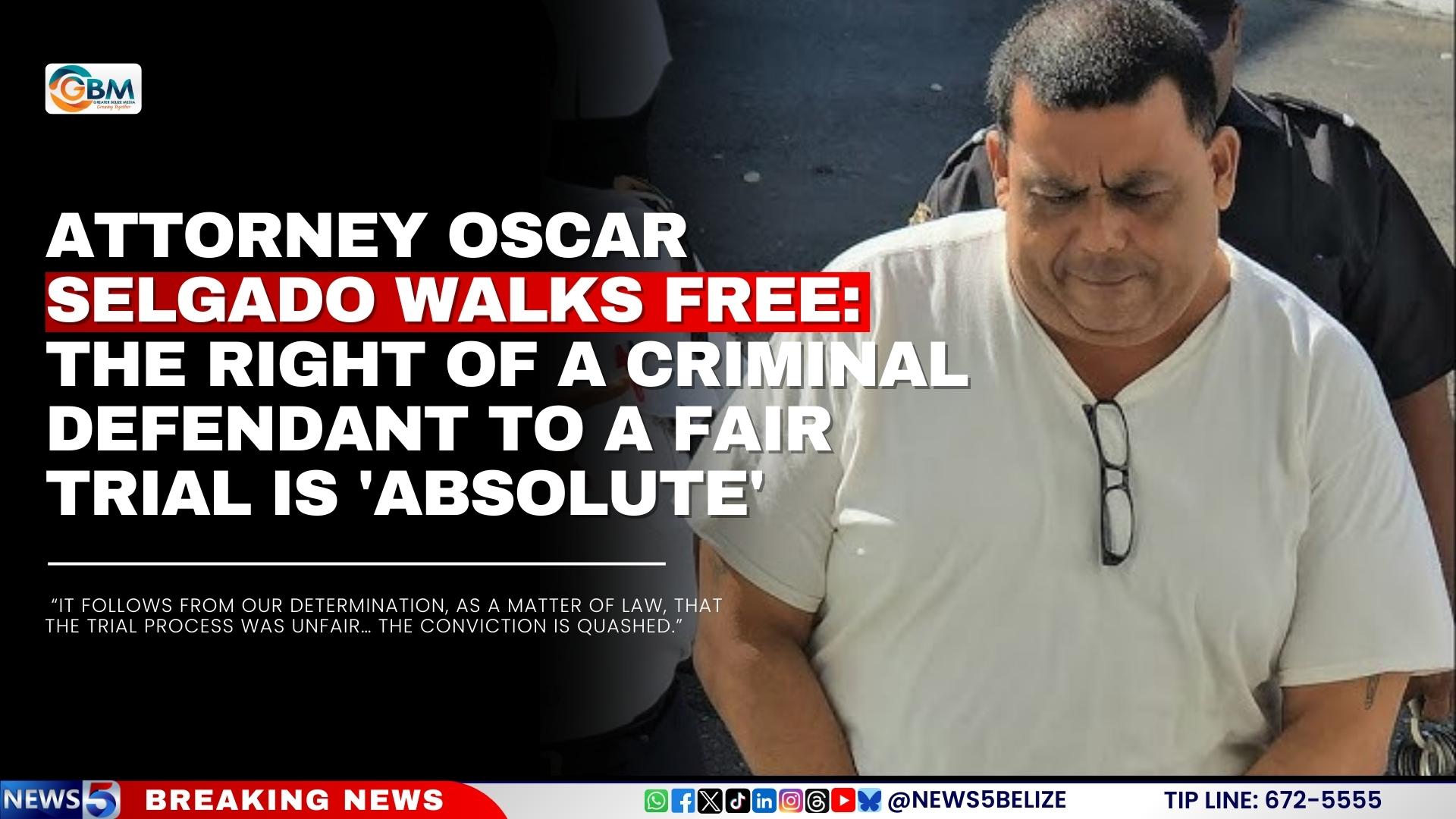
In a landmark decision underscoring the primacy of judicial fairness, the Court of Appeal has overturned the murder conspiracy conviction of attorney Oscar Selgado and ordered his immediate release from prison. The ruling delivers a powerful reaffirmation that the right to a fair trial remains an absolute cornerstone of the justice system, regardless of the severity of the allegations.
The case originated from events in March 2024, when Selgado was found guilty of abetting the murder of Marilyn Barnes, a woman in her sixties. Prosecutors had contended that Selgado solicited Giovanni Ramirez to carry out the killing to prevent Barnes from testifying against him in a disciplinary hearing that threatened his legal career. Subsequently, Justice Nigel Pilgrim sentenced Selgado to a decade of imprisonment in June 2024.
Central to the prosecution’s argument were claims that Selgado offered Ramirez free legal services, provided monetary compensation, and supplied a photograph of the intended victim and her residence. Crucially, however, the conviction relied almost entirely on a hearsay statement from Ramirez and secondary testimony about alleged recordings, rather than direct evidence or courtroom testimony from the key accuser himself.
During the appeal, Selgado’s legal representative, Arthur Saldivar, successfully argued that the original trial was fundamentally compromised by procedural unfairness. The appellate judges concurred, identifying multiple critical errors. They determined that Ramirez’s hearsay statement was improperly admitted as evidence, that other materials of ‘little probative value’ were erroneously allowed, and that Selgado’s right to confront his accuser was unjustly violated.
The judicial panel concluded in their written decision that the cumulative effect of these errors rendered the trial process irredeemably unfair. As a result, they quashed the conviction and, significantly, declined to order a retrial. This decision was influenced by the fact that Giovanni Ramirez was fatally shot in an ambush in Belize City on January 9, 2025, making his testimony permanently unavailable. Ramirez, who had faced his own legal challenges including gang-related charges, never testified in court due to expressed fears for his safety, and the purported recordings of his conversations were reported missing.
The Court’s ruling emphasized the enduring legal principle that apparent guilt cannot supersede the fundamental requirement of a fair judicial process, establishing an important precedent for future proceedings.