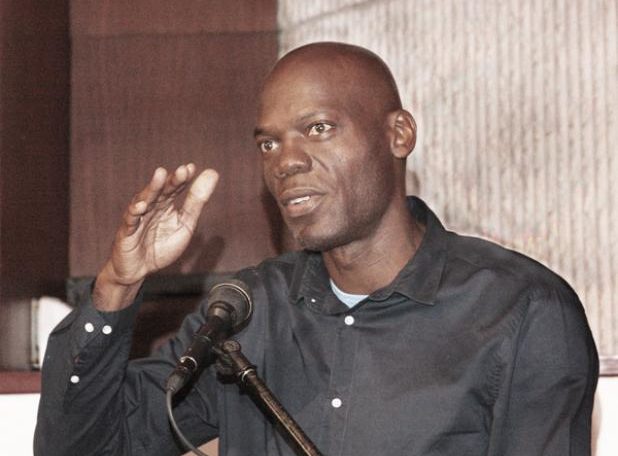
Amid growing speculation about a potential snap election in Barbados, University of the West Indies political scientist Professor Don Marshall has rejected theories that Prime Minister Mia Mottley’s recent policy announcements signal early political maneuvering. Instead, Marshall characterizes the government’s public service reforms as long-overdue measures that should be evaluated on their substantive merits rather than perceived political timing.
The political expert’s comments followed Prime Minister Mottley’s significant announcements regarding public sector improvements, including the restoration of term vacation leave for teachers potentially as early as next year and permanent appointments for approximately 2,000 public servants. These developments come against a backdrop of widespread conjecture about a possible first-quarter general election.
Professor Marshall advocated for shifting public discourse away from electoral speculation and toward substantive policy evaluation. He emphasized that the administration’s recent initiatives align with necessary developmental objectives that have required attention for some time. The political scientist described the government’s approach as a welcome departure from conventional austerity measures typically associated with IMF programs.
“I often wonder why, whenever we’re in an IMF programme, the instinct is always to move towards cutting the public service as opposed to repurposing the public service,” Marshall stated. He expressed strong support for initiatives that would strategically reposition the public service in accordance with the government’s developmental agenda.
The UWI professor cautioned against excessive cynicism regarding governmental motives, noting that policy announcements often follow natural bureaucratic timelines rather than political calculation. He highlighted that the Christmas timing of these announcements might reflect predetermined scheduling rather than strategic election preparation.
Marshall identified public service efficiency as the most critical metric for evaluating these appointments, predicting that improved worker satisfaction would naturally enhance productivity and attract more qualified professionals to essential services. He expressed particular optimism about ongoing negotiations with teachers’ unions, hoping for resolution of long-standing grievances regarding leave classification and compensation.
The professor specifically endorsed improved conditions for essential service providers including teachers, police officers, and nurses, advocating for compassionate governance that addresses their unique professional challenges. Meanwhile, the House of Assembly advanced the Public Service (Appointments) Bill, with Prime Minister Mottley confirming productive discussions with both the Barbados Union of Teachers and the Barbados Secondary Teachers’ Union.
The comprehensive reform package includes expanded compensation structures and enhanced service conditions for frontline workers, with a complete civil service regrading exercise anticipated to conclude next year. Mottley acknowledged that Barbados’s substantial civil service has faced challenges in timely human resource management under current structural constraints.