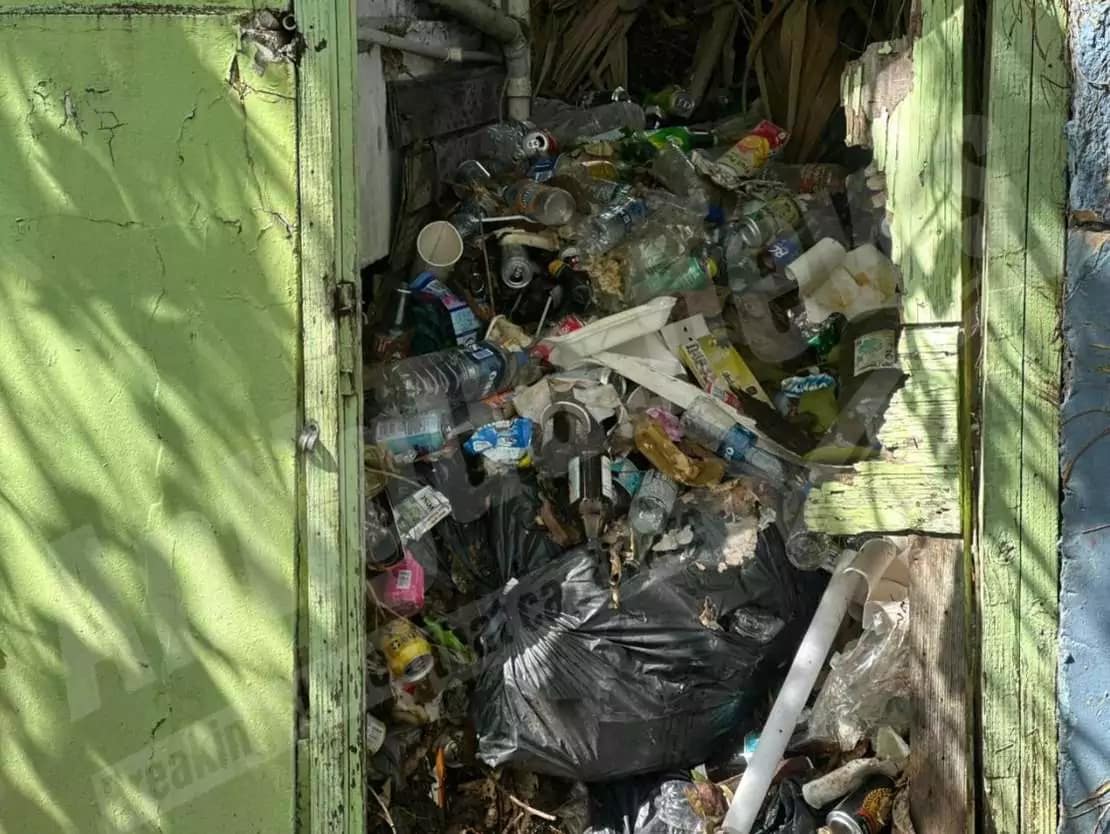
A mounting public health and environmental crisis has emerged in the historic Soul Alley district of St. John’s, Antigua and Barbuda, where accumulated waste is threatening both community welfare and the nation’s tourism-dependent economy. Photographic evidence reveals an extensive pile of decomposing refuse—including plastic bottles, food containers, and general waste—creating unsanitary conditions near culturally significant areas frequented by tourists.
The alley’s strategic location near key tourist attractions, port facilities, and local businesses makes the neglect particularly visible to international visitors. Beyond the visual blight, the situation presents tangible health risks through pest infestation and foul odors that contradict the island nation’s carefully cultivated image as a pristine Caribbean destination.
This environmental neglect raises fundamental questions about municipal waste management systems, enforcement of anti-littering regulations, and public accountability. Local authorities face mounting pressure to address what residents describe as systemic failures in urban maintenance rather than isolated incidents.
The concerned citizen’s letter highlights the intersection of urban governance, public health, and economic sustainability. Tourism represents a cornerstone of Antigua and Barbuda’s economy, making environmental preservation both an ecological imperative and an economic necessity. The situation underscores how neglected public infrastructure can directly impact national reputation and livelihood.
Community advocates demand immediate remediation through comprehensive waste removal followed by implementation of sustainable management practices. Proposed solutions include regular collection schedules, public education campaigns, strategic signage, and stricter enforcement of environmental regulations targeting both residents and businesses.
The Soul Alley situation exemplifies broader challenges facing small island developing states balancing tourism development with environmental stewardship. How authorities respond may set precedents for urban management throughout the Caribbean region where similar waste management challenges persist.