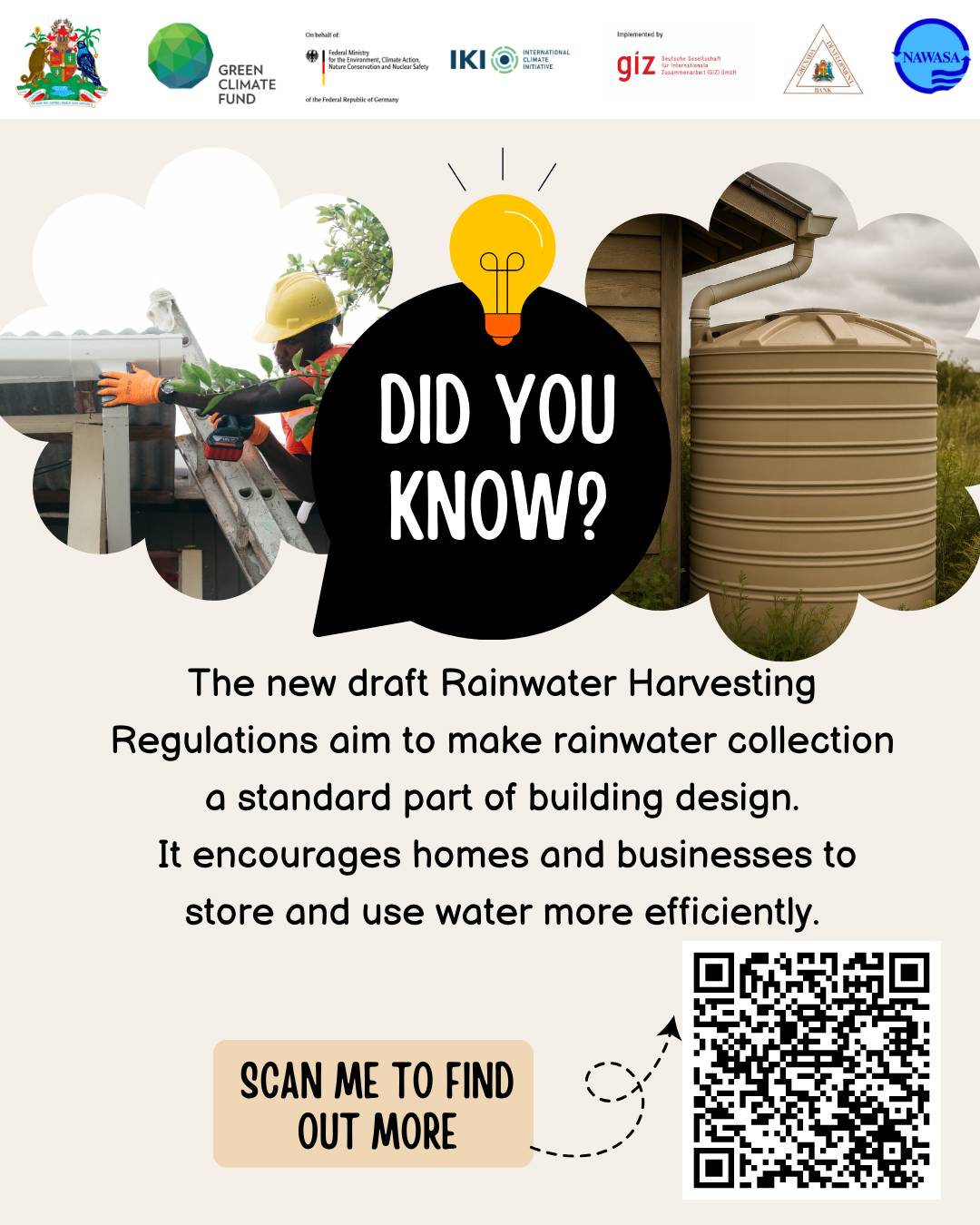
Grenada is embarking on a groundbreaking initiative to establish its first-ever mandatory rainwater harvesting regulations, marking a significant advancement in climate resilience and water security for the island nation. The proposed legislation would require both new constructions and existing buildings exceeding specific size thresholds to install rainwater collection systems where technically feasible.
This transformative policy emerges from an extensive collaborative framework involving the Physical Planning and Development Authority (PDA), the Ministry of Implementation and Infrastructure Development (MOIID), and the National Water and Sewerage Authority (NAWASA). The initiative operates under the Climate-Resilient Water Sector in Grenada (G-CREWS) Project, which receives substantial financial backing from the Green Climate Fund, Germany’s Federal Ministry for the Environment through its International Climate Initiative, and the Grenadian government.
The regulatory development process commenced with a formal Memorandum of Understanding between PDA, MOIID, and the German Development Cooperation (GIZ), establishing a commitment to creating equitable, transparent, and implementable legislation. A dedicated Technical Working Group comprising representatives from NAWASA, the Ministry of Health, the Ministry of Legal Affairs, and the Grenada Bureau of Standards has spent months refining technical specifications, legal frameworks, and public health safeguards.
Addressing Grenada’s escalating water demands and climate vulnerabilities, the regulations incorporate strategic provisions including a grace period for property owners to facilitate financial planning and compliance. The framework establishes comprehensive safety protocols covering approved roofing materials, water quality parameters, and sanitation measures to ensure public health protection.
With technical preparations finalized, the government will conduct a final round of public consultations from February 19-25, 2026. Stakeholders can submit feedback through official channels until January 23, 2026, with all input being considered in the finalization of regulations aimed at creating a sustainable, climate-resilient water future for Grenada.