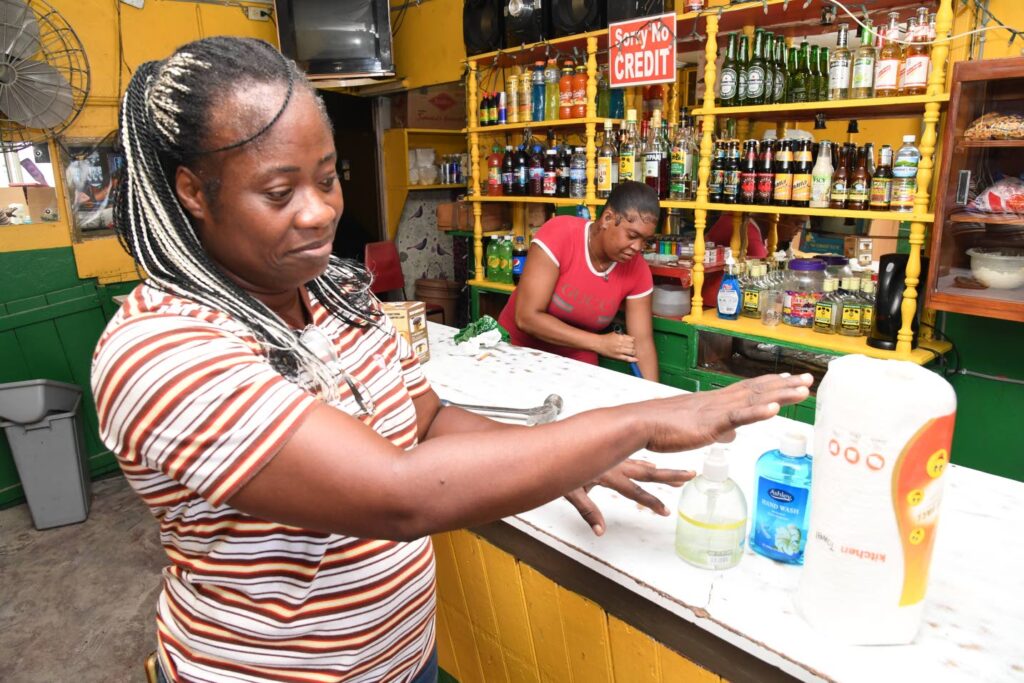
In a landmark private sector collaboration, Jamaica’s premier beverage manufacturers Red Stripe and J Wray & Nephew Limited have formed a strategic alliance to accelerate recovery of community bars devastated by Hurricane Melissa. The joint initiative, formally launched in St Elizabeth this Wednesday, specifically targets bar proprietors in the most severely impacted parishes whose operations were crippled by the Category 5 storm.
The comprehensive support program provides eligible establishments with specially curated ‘restart packs’ containing both alcoholic and non-alcoholic products from the companies’ portfolios. These emergency supply packages enable bar owners to rapidly restock inventory and participate in the crucial Christmas trading season, offering vital relief to those who suffered substantial product losses during the hurricane.
Daniel Caron, Managing Director for Jamaica and the Caribbean at J Wray & Nephew Limited, articulated the broader vision behind the partnership: ‘Hurricane Melissa’s destruction transcends corporate interests—it has devastated families, livelihoods, and communities throughout Jamaica. This collaboration embodies renewed community spirit and constitutes an integral component of our national recovery commitment. By facilitating the reopening of community bars, we’re empowering small entrepreneurs during this critical juncture.’
Caron revealed this initiative represents merely the initial phase of a long-term commitment: ‘Through our Community Bar Network, we will continue exploring additional support mechanisms for bar operators. In early 2026, we plan to collaborate with stakeholders to reconstruct iconic community bars and deliver further assistance to an industry that forms an essential part of Jamaica’s informal entertainment and economic ecosystem.’
Red Stripe’s Managing Director Daaf van Tilburg emphasized the multifaceted significance of community bars across the island: ‘These establishments represent Jamaica’s most extensive network of small businesses—they’re social hubs where communities connect, celebrate milestones, and provide mutual support during challenging times. They also serve as economic anchors, sustaining employment for bar staff, suppliers, farmers, vendors, and numerous other micro-enterprises.’
Tilburg stressed the human-centric approach to recovery: ‘This partnership’s significance lies in restoring not merely commercial inventory but the socioeconomic heartbeat of affected parishes. Reopening these spaces means revitalizing employment, cultural institutions, and normalcy for thousands of Jamaicans. This unified effort demonstrates our proud commitment to national recovery.’
With approximately 10,000 community bars nationwide—each directly employing three to five individuals while indirectly supporting extensive micro-enterprise networks—their recovery constitutes a crucial component in restoring economic activity and social cohesion in Melissa-affected regions. This pioneering collaboration establishes a powerful precedent for private sector involvement in national disaster recovery efforts, focusing on the grassroots establishments that form the fabric of Jamaican social and economic life.