In an era dominated by digital screens and fast-paced living, renowned naturalist Faraaz Abdool presents a compelling case for embracing birdwatching as a transformative practice that offers profound benefits beyond mere hobbyism. This ancient human fascination with avian life now emerges as a vital antidote to modern stressors, combining ecological awareness with personal wellness.
Birdwatching stands as one of the most accessible gateways to environmental connection, requiring no special qualifications or equipment to begin. As Abdool demonstrates through striking photographic evidence from Trinidad’s ecosystems, even urban backyards host diverse species like the spectacled thrush with its distinctive eye-ring and complex songs. The practice democratizes nature appreciation, where smiling at a morning wren’s melody holds equal validity to trekking through flooded forests seeking rare potoos.
The psychological benefits are scientifically substantiated: birdsong actively reduces human stress and anxiety by triggering evolutionary responses that interpret melodic calls as signals of safety. Beyond mental health, birdwatching organically promotes physical activity—from gentle backyard observation to strenuous hikes seeking high-altitude species like the orange-billed nightingale-thrush found above 700 meters.
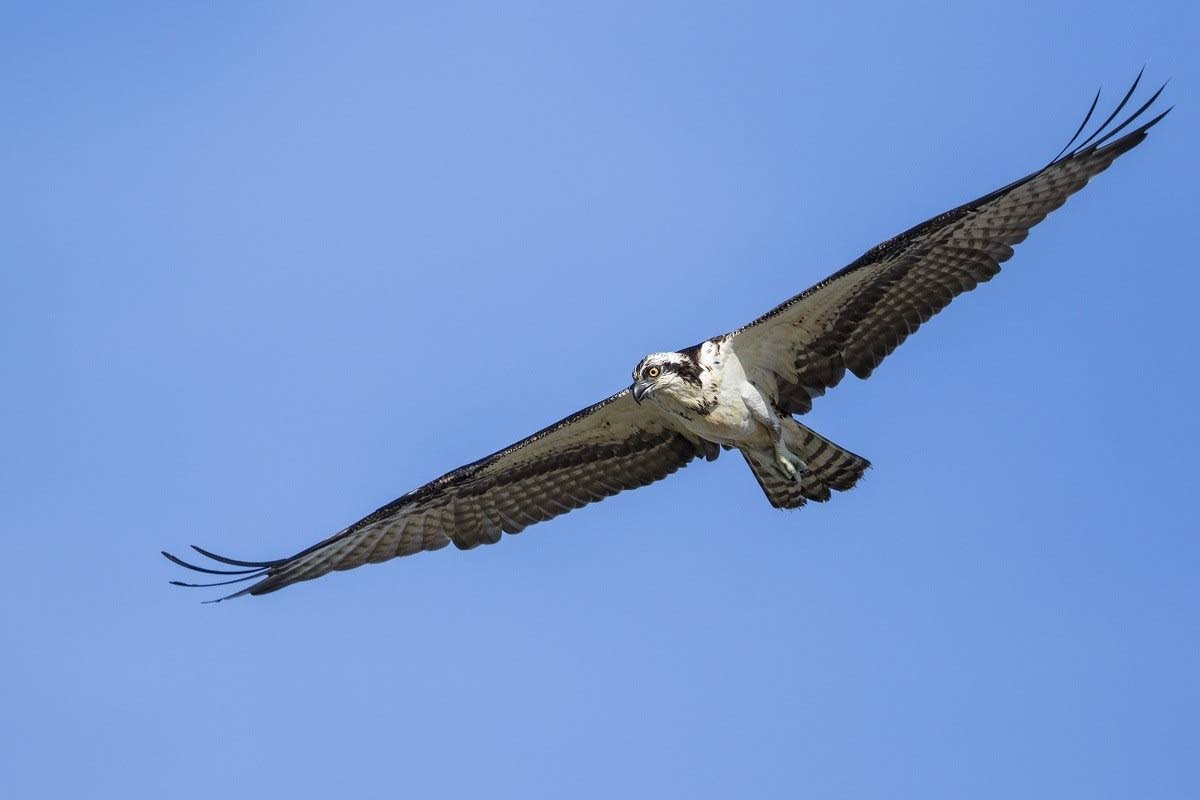
Crucially, birds serve as environmental indicators whose presence reveals ecosystem health. Piscivorous ospreys, for instance, function as living water quality monitors—their survival depends on aquatic ecosystems thriving with fish populations. This interconnectedness means birders become frontline observers of ecological changes, contributing to citizen science through platforms like eBird that compile global data on migration patterns and species distribution.
The practice cultivates patience and presence in our accelerated world, offering natural meditation through focused observation. Unlike screen-based entertainment, birdwatching exercises eyesight on distant objects and engages cognitive functions through identification challenges. It fosters humility amid continuous learning, especially as genetic research constantly redefines species classification—as occurred recently with Caribbean house wrens now recognized as distinct species including the St Lucia wren.
Remarkably, this pursuit requires no financial investment while offering infinite discovery possibilities across all continents and habitats. From dawn choruses to nocturnal hoots, avian activity patterns ensure rewarding observations at any hour. The journey inevitably expands to appreciate unfeathered fauna too—from unexpected southern tamandua anteaters to tegus that share these ecosystems.
Ultimately, birdwatching represents both a personal pilgrimage and scientific contribution, connecting practitioners to the planet’s last living dinosaurs while grounding them in nature’s timeless rhythms. This convergence of ecological stewardship, wellness practice, and citizen science makes bird appreciation not just pleasurable but essential for contemporary living.