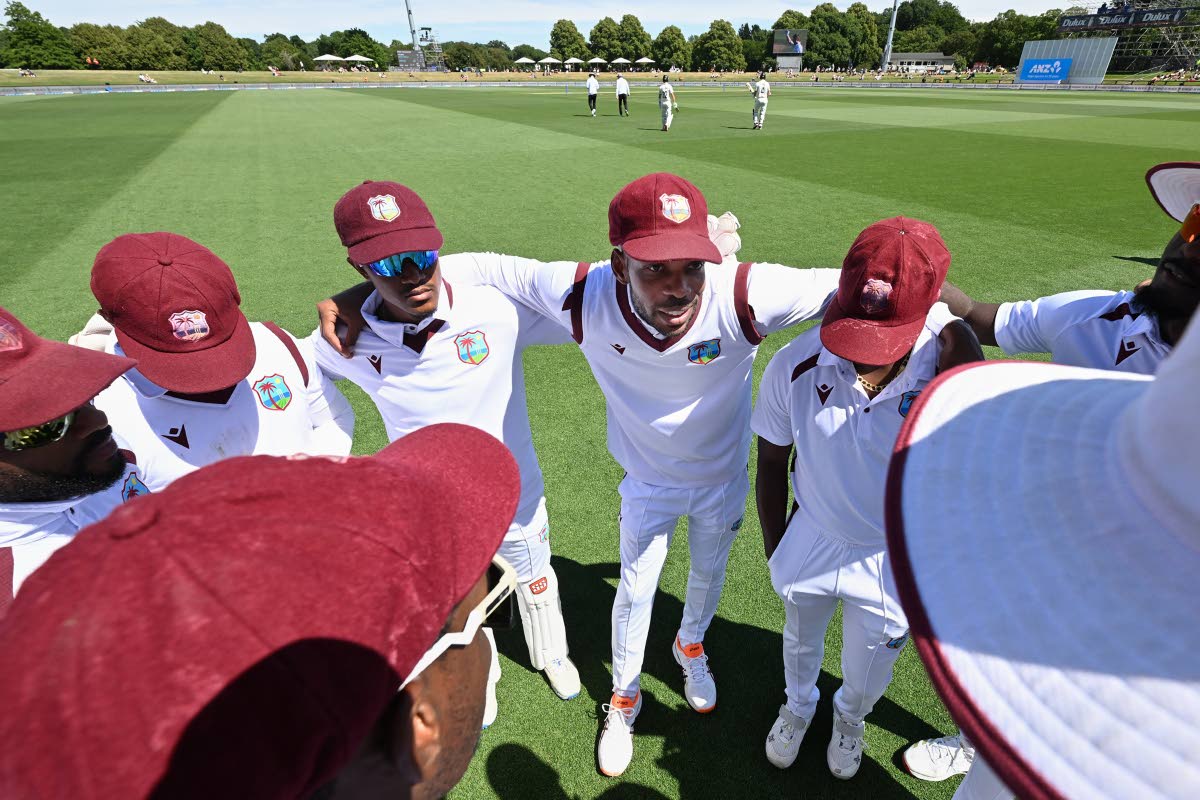
The West Indies cricket team, once the undisputed monarchs of international cricket, now finds itself mired in profound institutional crisis. Current performances reveal a staggering decline from their legendary era of dominance, prompting serious questions about leadership competence within Cricket West Indies.
President Kishore Shallow and his administration face mounting criticism for their apparent inability to diagnose or address the team’s systemic problems. This leadership vacuum has left supporters, well-wishers, and former players bewildered as the Caribbean squad continues its embarrassing descent in Test cricket rankings.
The historical context makes this downfall particularly painful. Beginning their Test journey in 1928 with a 3-0 defeat to England, the West Indies gradually developed through dedication and technical refinement into the most feared team in world cricket for much of the 1970s and 1980s. Their current state represents a dramatic reversal from those glory days.
Central to the controversy is coach Daren Sammy’s questionable retention despite overseeing historically poor performances, including the team being bowled out for a mere 27 runs last July at Sabina Park. Sammy’s strategic limitations appear particularly exposed in Test cricket, where complex tactical awareness separates competent coaches from exceptional ones.
Equally puzzling is the appointment of Roston Chase as Test captain. Plucked from relative obscurity based on limited Caribbean Premier League leadership experience, Chase demonstrates concerning tactical naivety. His recent post-match analyses, where he simultaneously criticized batting conditions while praising bowlers’ performances on those same pitches, reveal fundamental logical flaws.
The second Test against New Zealand exemplified these problems. After showing promising fight in the first match through Justin Greaves, Shai Hope, and Kemar Roach, the team delivered a profoundly disappointing performance that highlighted deeper structural issues beyond mere player execution.
This crisis transcends individual matches, representing a fundamental breakdown in cricketing philosophy, strategic planning, and leadership accountability. Until Cricket West Indies addresses these core governance issues, the once-mighty Caribbean cricketing tradition risks permanent irrelevance.