The Trump administration has unveiled significant revisions to U.S. immigration policy, imposing comprehensive travel restrictions on multiple nations citing national security vulnerabilities. The executive order, issued in January 2025, specifically targets countries with citizenship-by-investment (CBI) programs and inadequate screening protocols.
Antigua and Barbuda, Dominica, and Haiti feature prominently among the affected nations, with the administration identifying their immigration systems as particularly susceptible to exploitation. The policy directive suspends entry for immigrants and non-immigrants holding B-1, B-2, B-1/B-2, F, M, and J visas from these jurisdictions. Consular officials have been instructed to reduce visa validity periods to the maximum extent permitted by law.
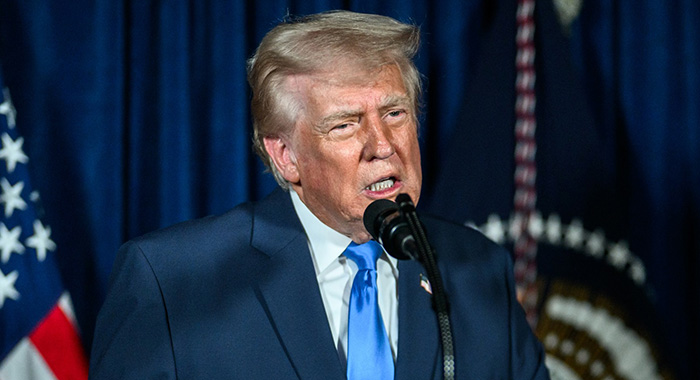
The administration’s justification centers on perceived security gaps in foreign screening and vetting systems. President Trump emphasized that despite previous diplomatic engagements, numerous countries continue to demonstrate insufficient information-sharing capabilities and immigration controls. The policy specifically highlights concerns about CBI programs that grant citizenship without residency requirements, creating potential avenues for individuals to conceal their identities or circumvent existing travel restrictions.
Beyond Caribbean nations, the restrictions encompass a broad spectrum of countries including Afghanistan, Burma, Chad, Republic of Congo, Equatorial Guinea, Eritrea, Iran, Libya, Somalia, Sudan, and Yemen, which face comprehensive entry bans. Additional nations including Angola, Benin, Cote d’Ivoire, Gabon, The Gambia, Malawi, Mauritania, Nigeria, Senegal, Tanzania, Tonga, Zambia, and Zimbabwe will face partial restrictions and limitations.
The administration asserts these measures are necessary to prevent terrorist infiltration, hate crime incitement, and exploitation of immigration laws for malevolent purposes. The policy represents a reinstatement and expansion of previous travel restrictions that were upheld by the Supreme Court during Trump’s first term.