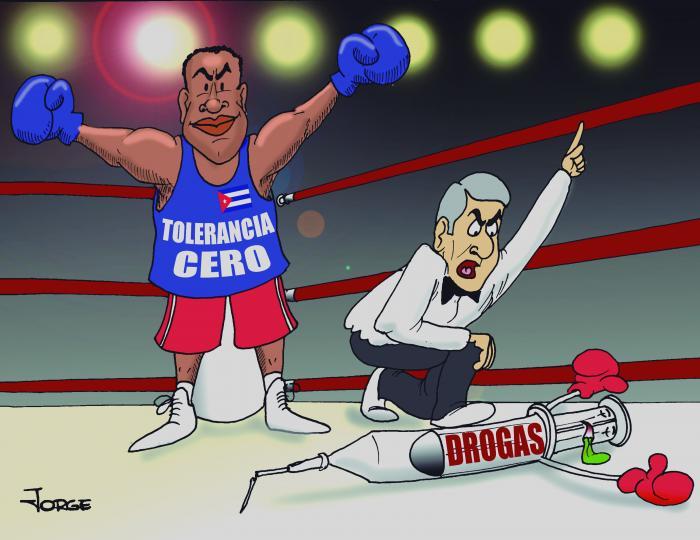
Cuban authorities have revealed compelling data demonstrating their nation’s effectiveness in combating drug trafficking while exposing a significant cooperation imbalance with United States agencies. At a recent press conference attended by Justice Minister and Interior Ministry officials, evidence presented shows Cuba has been the primary contributor to bilateral anti-narcotics efforts despite the US serving as the main source of drug trafficking operations targeting the island.
Between 1990 and November 2025, Cuban Border Guard Troops provided US Coast Guard officials with 1,547 intelligence reports while receiving only 468 in return—a nearly 3:1 ratio that underscores the unilateral nature of cooperation. Deputy Foreign Minister Josefina Vidal Ferreiro emphasized that US agencies have firsthand knowledge of Cuba’s effectiveness in combating drug trafficking, having benefited directly from this cooperation until Secretary of State Marco Rubio instructed unilateral termination of dialogue on migration and law enforcement matters.
Cuba’s anti-drug operations have yielded substantial results despite these challenges. Recent statistics indicate the interception of 14 speedboats and capture of 39 drug traffickers with 4,487.47 kg of narcotics in recent years. These seizures represent just a fraction of the more than 40 tons of drugs Cuba has confiscated over the past 14 years—all ultimately destined for US markets.
The Caribbean nation maintains robust regional cooperation networks, exchanging real-time intelligence with counterparts throughout the region regarding vessel characteristics, maneuvering patterns, and large-scale landing warnings. This collaboration occurs within a framework of respect, professionalism, and transparency that has proven effective in combating transnational crime.
Between 2024 and 2025 alone, Cuban authorities thwarted 72 drug operations originating from 11 countries, with the United States identified as the primary source. These operations involved cocaine, methamphetamines, and synthetic cannabinoids transported via air routes using passengers, cargo, and postal shipments despite a 2016 cooperation agreement that has never been fully implemented by US counterparts.
Cuba maintains an extensive international cooperation network with 37 anti-drug contact points and through Interpol’s National Central Bureau in Havana, which currently files 58 Cuban and two foreign nationals for illicit drug trafficking crimes. The country’s comprehensive anti-drug strategy prioritizes prevention through education, culture, health, sports, and recreation while maintaining rigorous enforcement measures supported by population-wide participation through organizations like the Committees for the Defense of the Revolution.