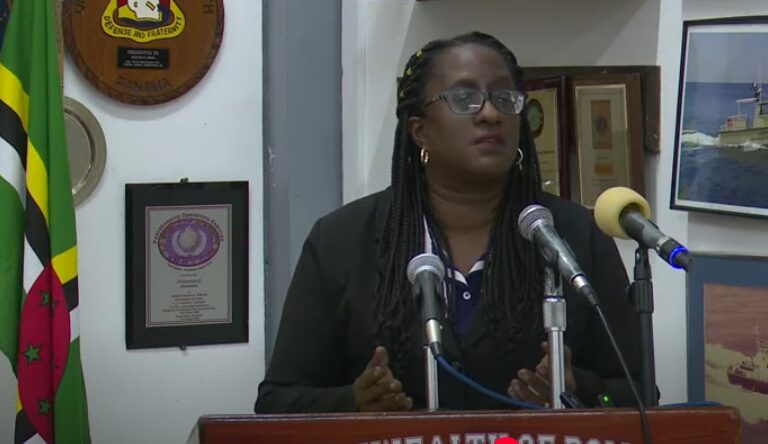
Dominica’s judicial system is demonstrating measurable progress in addressing case backlogs through its reintroduced night court program, according to Chief Magistrate Candia Carrette-George. The initiative, which resumed operations in September 2025 at the magistrates’ court in Roseau, represents a significant reform effort aimed at enhancing access to justice and improving judicial efficiency.
The night court was originally designed to operate from 2 p.m. to 9 p.m., though practical adjustments have been implemented to address criminal matters between 1 p.m. and 5 p.m., with new cases commencing thereafter. Initial implementation challenges included delays in document service by police and bailiffs, alongside concerns regarding transportation accessibility for litigants during extended hours. The court administration responded by strategically scheduling cases for individuals from areas with reliable evening bus services, resulting in improved attendance patterns.
Initially focusing on civil matters, the night court has successfully resolved numerous cases through ex parte hearings and in-person trials. While criminal trials for detained individuals remain constrained by prison intake schedules, the program anticipates expanding to include bail cases and private criminal matters in the near future.
Performance data reveals consistent progress: 20 cases were completed in September 2025, followed by 28 matters between October 1-13, and 38 cases resolved from November 1 through December 9. This upward trend demonstrates the program’s growing effectiveness in reducing the longstanding backlog.
Complementing these efforts, Dominica’s judiciary has strengthened its capacity with three new magistrate appointments. Marie-Louise Pierre-Louis assumed her role in September 2025, another magistrate was sworn in late November, and a third appointment is imminent. These additions will enable full utilization of all six courtrooms in Roseau.
Beginning January 2026, the judiciary will implement case management hearings to evaluate trial readiness and assess suitability for night court proceedings. Additionally, technological enhancements include the upcoming installation of two Liberty recording systems featuring AI-powered transcription capabilities. These systems will provide verbatim recording, individual speaker channel separation, and clerk-inserted bookmarks for efficient reference.
The Coroner’s Court is also undergoing reforms, with plans to establish a dedicated courtroom to facilitate daily sittings instead of the current three weekly sessions, potentially accelerating inquest completions.
Chief Magistrate Carrette-George emphasized that as public and legal professionals increasingly embrace the night court concept, coupled with expanded judicial resources, the initiative is poised to become an integrated component of Dominica’s justice delivery system, effectively addressing historical delays in case disposition.