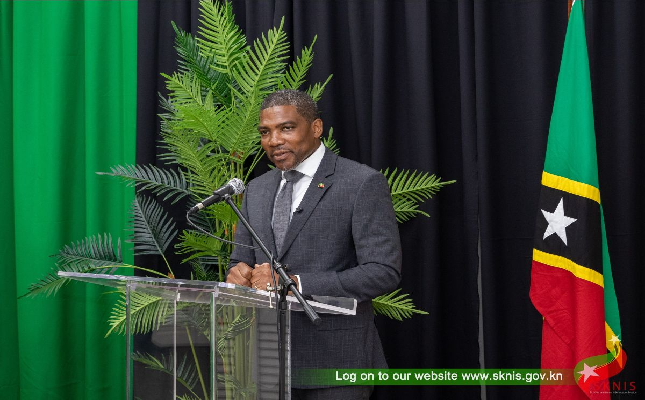
In a significant move toward transparent governance, Prime Minister Honourable Dr. Terrance Drew has formally established an independent Advisory Committee to conduct a comprehensive review of the Special Sustainability Zones Authorisation Act (SSZA Act) of 2025. This action fulfills the commitment made during national roundtable discussions held last month.
The newly formed ad hoc committee comprises representatives from fifteen key civil society organizations and professional bodies, reflecting the government’s dedication to inclusive policymaking. Participating organizations span diverse sectors including religious groups, financial institutions, legal associations, medical professionals, construction industries, and conservation entities such as the Saint Christopher National Trust.
Notably, the committee’s mandate extends beyond domestic consultation. Regional institutions including the Organisation of Eastern Caribbean States Authority, OECS Bar Association, and Caribbean Development Bank have been invited to provide written expertise, acknowledging the legislation’s broader implications across the Eastern Caribbean region.
Prime Minister Drew emphasized that the SSZA Act itself does not establish any specific development zones but rather creates a structured legal framework for future evaluation processes. The legislation incorporates parliamentary oversight and constitutional safeguards to ensure accountability.
The Advisory Committee is tasked with examining the Act’s provisions, addressing public concerns, and recommending potential amendments or procedural enhancements. Their work will be guided by international best practices and the principles of the Sustainable Island State Agenda, with all findings to be submitted to Federal Cabinet for consideration.
This initiative represents a robust approach to balancing economic development with environmental sustainability and national sovereignty, setting a precedent for participatory governance in the Caribbean region.