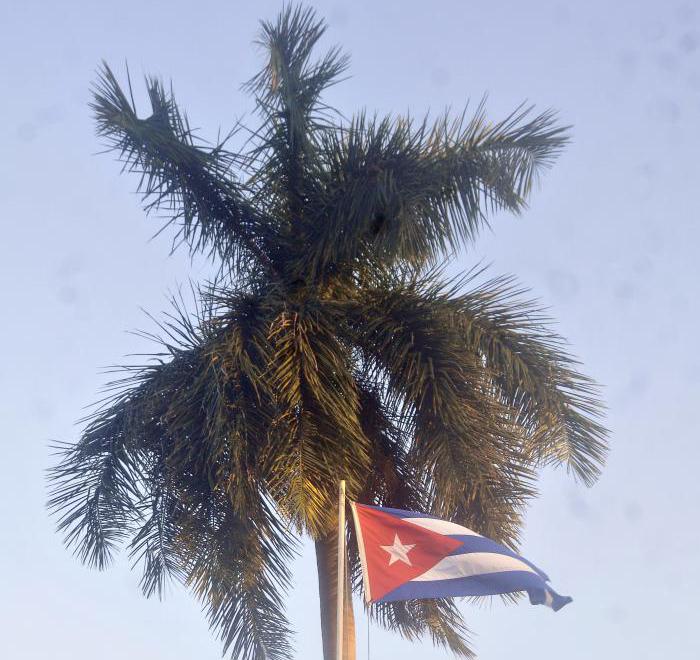
In a significant political decision, Cuba’s Central Committee has unanimously voted to postpone the 9th Communist Party Congress originally scheduled for April 2026. The 11th Plenary Session, conducted virtually on December 13, concluded that the nation must prioritize addressing its severe economic challenges over political gatherings.
The postponement proposal originated from Army General Raúl Castro Ruz, revolutionary leader and former president, who emphasized the revolutionary principle of always choosing what best serves Cuba’s interests. His recommendation, presented by current First Secretary and President Miguel Díaz-Canel Bermúdez, argued that all national resources and cadre energy should be directed toward resolving pressing economic problems rather than congress preparations.
The decision reflects Cuba’s deteriorating economic situation amid what officials describe as an intensified U.S. blockade and ongoing media warfare. The Plenary Session identified several immediate priorities: refining the government’s economic program to correct distortions, implementing approved economic measures, ensuring the 2026 budget addresses popular needs and national defense, and strengthening support for regions devastated by recent natural disasters.
President Díaz-Canel outlined additional critical objectives, including enhancing youth participation in national development and intensifying ideological and cultural efforts to counter what he characterized as anti-Cuban disinformation campaigns. The leadership called for united action to boost production, generate income, and multiply successful economic experiences while eliminating bureaucratic inertia and pessimistic thinking.
The postponed congress will now focus on 2026 recovery efforts, coinciding with the centenary celebration of Fidel Castro’s birth, which officials hope to honor through tangible economic improvements. The resolution reaffirmed confidence in Cuba’s capacity for self-emancipation through dedicated effort, citing ongoing recovery work in eastern provinces following Hurricane Melissa as evidence of the population’s resilience.
The statement concluded with revolutionary rhetoric, describing the Cuban people as heir to José Martí’s tradition and faithful to Fidel and Raúl Castro’s teachings, capable of daily creative resistance against external pressures and economic siege.