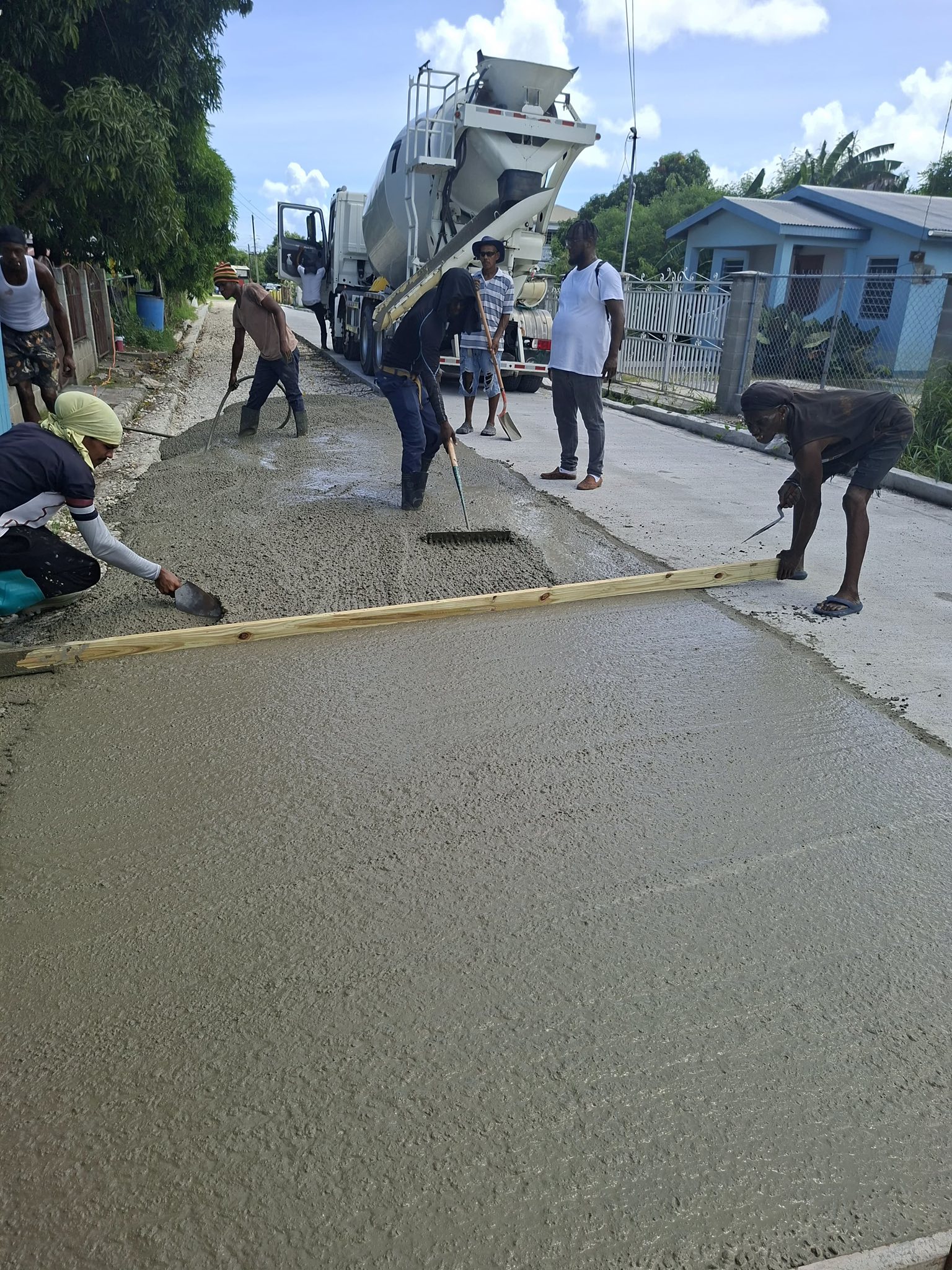
In a strategic shift toward optimized infrastructure management, the government has implemented a novel approach to housing development by establishing a dedicated Roads Division within National Housing. This innovative program enables construction workers to be dynamically reassigned between housing projects and road construction tasks based on real-time workflow requirements.
During the recent Budget Debate, Housing Minister Maria Browne detailed how this operational restructuring addresses the chronic issue of workforce idleness during transitional phases between housing construction cycles. Rather than maintaining workers on standby, the ministry now redeploys them to accelerate road infrastructure development within housing communities.
This cross-functional workforce deployment model specifically targets the persistent challenge of delayed road completion in residential areas. By maintaining continuous employment for construction teams across complementary infrastructure projects, the government achieves dual objectives: maximizing labor efficiency and eliminating bottlenecks that traditionally leave new communities with unfinished access roads.
The program has already demonstrated tangible progress in multiple housing developments. Construction crews have completed or are actively working on road networks in Cedar Valley and Pearns, addressing long-standing complaints from residents about inadequate road access to their communities.
Government officials emphasize that this integrated approach eliminates bureaucratic delays associated with separate contracting processes for road construction. The in-house Roads Division enables National Housing to respond immediately to infrastructure needs without undergoing external procurement procedures.
This initiative represents a fundamental rethinking of public works coordination, ensuring synchronized development of housing and supporting infrastructure. The model is projected to continue through at least 2026 as part of the government’s comprehensive infrastructure and housing development agenda.