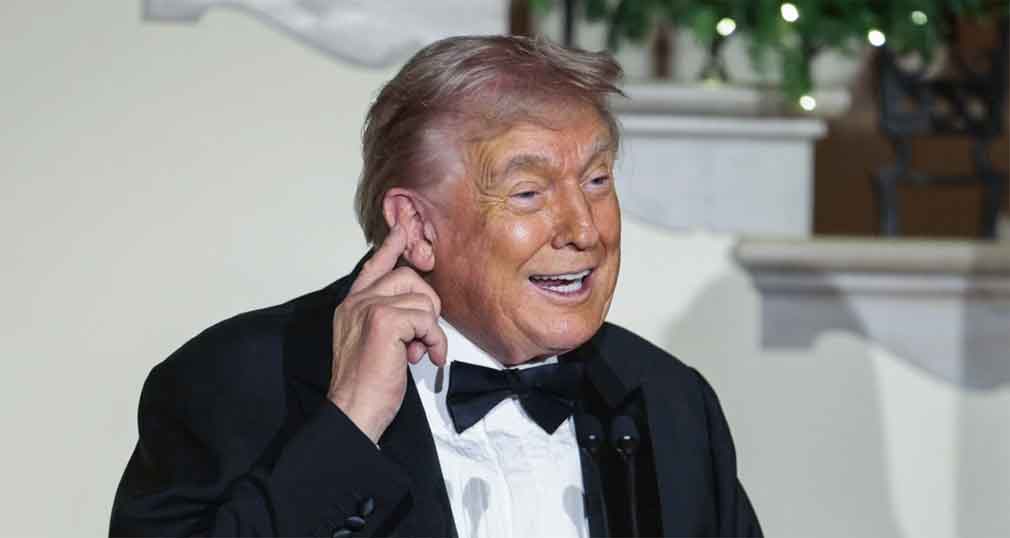
The United States has significantly intensified its strategic posture toward Venezuela through a series of coordinated military and policy actions. Recent weeks have witnessed a bolstering of U.S. military assets in the Caribbean Sea, positioning them in close proximity to the South American nation’s coastline. In a notable interview with Politico, former President Donald Trump explicitly declined to dismiss the potential deployment of Pentagon forces into Venezuela, signaling a hardened approach. He further escalated rhetoric by ominously declaring that the days of Venezuelan President Nicolás Maduro are ‘numbered,’ a statement perceived as a direct threat to the incumbent government. Complementing this verbal posture, the U.S. administration announced a comprehensive closure of airspace over and adjacent to Venezuela, characterizing it as part of an intensified ‘maximum pressure’ campaign aimed at Caracas. Venezuelan Defense Minister Vladimir Padrino has publicly condemned these actions as acts of intimidation, specifically citing the unauthorized incursion of U.S. F-18 fighter jets into the airspace over the Gulf of Venezuela. In a parallel development, the U.S. Department of Homeland Security (DHS) terminated the Family Reunification Parole (FRP) programs for nationals from seven countries—Colombia, Cuba, Ecuador, El Salvador, Guatemala, Haiti, and Honduras—along with their immediate relatives. This policy shift, justified by citing systemic abuses of the protections, mandates that affected immigrants must depart U.S. territory by mid-January unless they can secure an alternative legal status to remain.